
S.U.C.C.E.S.S. It’s All About Other People

…because leadership is a collaborative process that involves uniting the skills, knowledge, and efforts of a team to achieve a common goal. This requires effective communication, trust, empowerment, and adaptability, all of which involve interacting with and relying on others.

S – Synergize U – Uplift C – Cultivate C – Coach E – Empower S – Share S – Sustain

Synergize: Foster strong connections and collaboration among leaders and potential leaders, understanding that teamwork and unity are key to achieving success.

Uplift: Encourage, support, and inspire others to strive for their best, providing the motivation and guidance necessary to reach their full potential.

Cultivate: Create an environment that promotes growth and learning, investing in the development of new leaders through targeted training and mentorship.

Coach: Offer guidance and constructive feedback that helps individuals refine their skills, overcome challenges, and become better leaders themselves.

Empower: Delegate responsibility and trust in others’ abilities, granting them the autonomy and confidence to make decisions, solve problems, and grow as leaders.

Share: Promote a culture of knowledge-sharing and open communication, ensuring that wisdom and experience are passed down to future generations of leaders.

Sustain: Commit to the ongoing development and support of leaders, fostering a strong leadership pipeline that ensures organizational success for years to come.

Does It Really Depend on Other People?

A leader’s success depends on other people for several reasons:

  1. Collective Efforts: Leadership is about guiding and influencing a group of individuals towards a shared goal. The success of a leader relies on the collective efforts of the team. The leader’s role is to harness the strengths, skills, and knowledge of the team members and channel them towards achieving the desired outcome.
  2. Collaboration: A leader cannot be an expert in every field or possess all the skills required to address every challenge. They need to rely on the expertise and collaboration of their team members to tackle complex problems, innovate, and make informed decisions.
  3. Empowerment: Leaders succeed when they empower others, delegate tasks, and trust in their team members’ abilities. This not only leads to higher productivity but also creates a positive work environment that fosters growth, learning, and job satisfaction.
  4. Emotional Intelligence: A leader’s success often depends on their ability to connect with others, understand their needs, and provide support. By building strong relationships and trust, leaders can inspire and motivate their team members to perform at their best.
  5. Adaptability: The ability to adapt to change is crucial for a leader’s success. By relying on the input and feedback from their team members, leaders can recognize when changes are needed and implement the necessary adjustments to stay on track towards their goals.
  6. Learning and Development: No leader knows everything, and continuous learning is essential for growth and success. By fostering a culture of knowledge-sharing and learning from their team members, leaders can expand their own skills, perspectives, and understanding of the challenges they face.
  7. Accountability: A leader’s success also depends on holding themselves and their team members accountable for the results they produce. By creating a sense of responsibility and ownership, leaders can ensure that everyone stays focused and committed to achieving their goals.

In summary, a leader’s success is highly dependent on other people because leadership is a collaborative process that involves uniting the skills, knowledge, and efforts of a team to achieve a common goal. This requires effective communication, trust, empowerment, and adaptability, all of which involve interacting with and relying on others.
If You Don’t Have This…..You Are Not Ready To Hire For Culture

Effective onboarding and training programs can help to bridge that gap and ensure that new hires are equipped to succeed in their new position.

“Culture eats strategy for breakfast.” In working with many entrepreneurs, I have found this to be very true, as the culture is the secret sauce that keeps employees motivated and clients happy. “

Jacob M. Engel “Why Does Culture ‘Eat Strategy For Breakfast?” Forbes.com Nov. 2018

Hiring for culture is important because it ensures that new employees fit in well with the existing team and company culture. While skills and experience are certainly important, they are not the only factors to consider when hiring. Here are some reasons why hiring for culture is often prioritized:

  1. Promotes team cohesion: Hiring employees who fit well with the company culture can help promote team cohesion and reduce the chances of conflicts arising due to personality clashes.
  2. Enhances job satisfaction: When employees share the same values and beliefs as their coworkers and the company, they are more likely to feel fulfilled in their work and have higher job satisfaction.
  3. Increases retention rates: Employees who fit in well with the company culture are more likely to stay with the company long-term, reducing turnover and associated costs.
  4. Encourages innovation: When employees share the same values and beliefs, they are more likely to work well together, share ideas, and collaborate. This can lead to greater innovation and creativity.

Of course, it’s important to strike a balance between culture fit and skill level or experience. It’s not enough to hire someone simply because they fit in well with the company culture if they lack the minimum necessary skills and experience for the job. However, when all other factors are equal, culture fit can be the deciding factor in making a successful hire.

3 Ways to Tell If You Are Hiring For Culture

  1. Look for candidates who share your company values: During the interview process, ask questions that are designed to reveal whether or not the candidate shares your company’s core values. For example, if teamwork is a key value at your company, you might ask the candidate to describe a time when they worked collaboratively with others to achieve a common goal.
  2. Assess the candidate’s personality: Personality tests and assessments can be useful tools for determining whether or not a candidate will fit in well with your company culture. These tests can provide insights into a candidate’s communication style, work preferences, and personality traits.
  3. Ask for references from former coworkers or managers: Speaking with former colleagues or managers can give you a better sense of how the candidate has interacted with others in a work setting. Ask questions about the candidate’s teamwork skills, communication style, and ability to fit in with the company culture.

Overall, hiring for culture is about finding candidates who will not only excel at the job but also thrive within the company environment. By focusing on candidates who share your company values, assessing their personality traits, and speaking with former colleagues or managers, you can increase the chances of making a successful cultural fit hire.

The Missing Ingredient to Hiring For Culture

Having effective onboarding, training, and development programs is also crucial for ensuring that new hires can thrive within your company culture. While hiring for culture fit is important, it’s not enough on its own.

Currently, we use a Team Member Training Matrix displayed with the critical Standard Work items along with corresponding SOP’s to ensure each skill set is covered by our training program.

It utilizes an incremental 25% completion criteria for progress tracking.

25% – SOP has been reviewed and signed

50% – Team member participates in the process

75% – Team members can complete the process with little or no supervision

100% – Team member is a subject matter expert and can train others

If you don’t have effective onboarding and training programs, you are not ready to hire for culture.

Richard Rich

Here are a few reasons why:

  1. Ensuring that new hires have the necessary skills: Even if you hire someone who is a great cultural fit, they may not have all of the skills necessary to excel in their new role. Effective onboarding and training programs can help to bridge that gap and ensure that new hires are equipped to succeed in their new position.
  2. Accelerating the learning curve: Even experienced hires may take some time to adjust to your company’s specific processes and workflows. By providing comprehensive training, you can help to accelerate the learning curve and reduce the time it takes for new hires to become fully productive.
  3. Fostering a sense of belonging: Effective onboarding programs can help new hires to feel welcomed and supported within your company culture. This can help to foster a sense of belonging and reduce the chances that the new hire will feel like an outsider.
  4. Supporting ongoing growth and development: Training and development programs can help to support ongoing growth and development for all employees, not just new hires. This can help to keep employees engaged and motivated over the long term.

In short, while hiring for culture fit is important, it’s only the first step in building a successful team. By pairing culture fit with effective onboarding, training, and development programs, you can set your new hires up for success and help to build a thriving company culture over the long term.

Daily Management System

his allowed everyone to track their performance and make improvements where necessary. We also provided regular feedback to our hourly team members and operators on their performance and how they were contributing to the overall success of the business.

Using Visual Tools to Manage Your Team, Department, or Organization

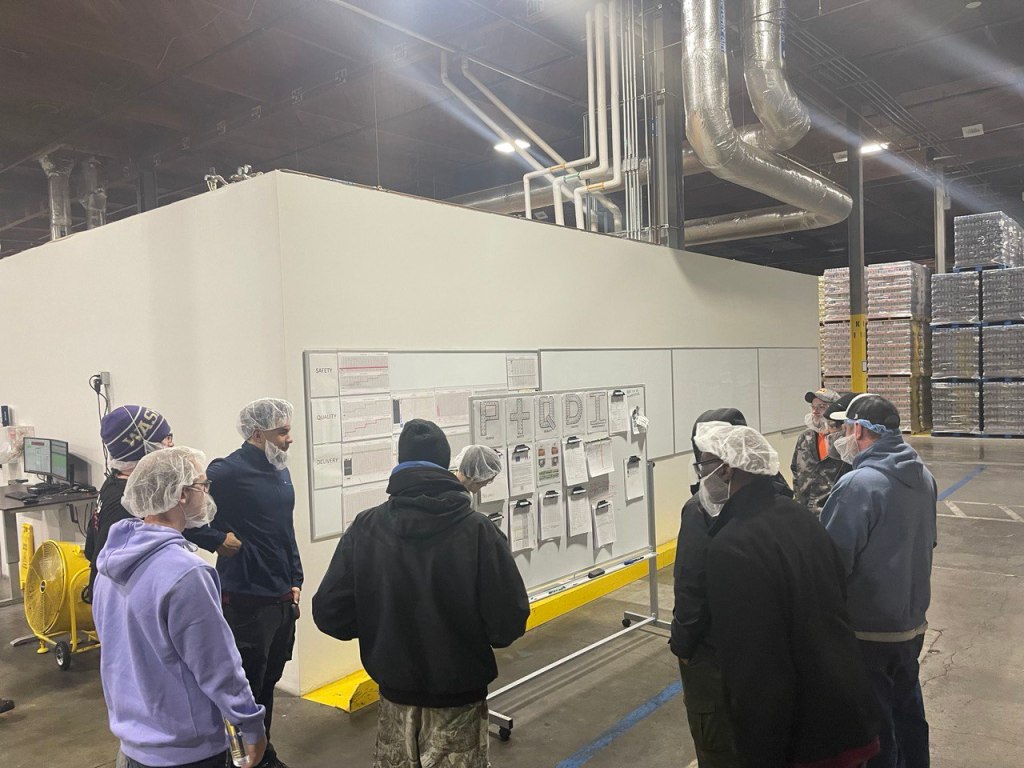
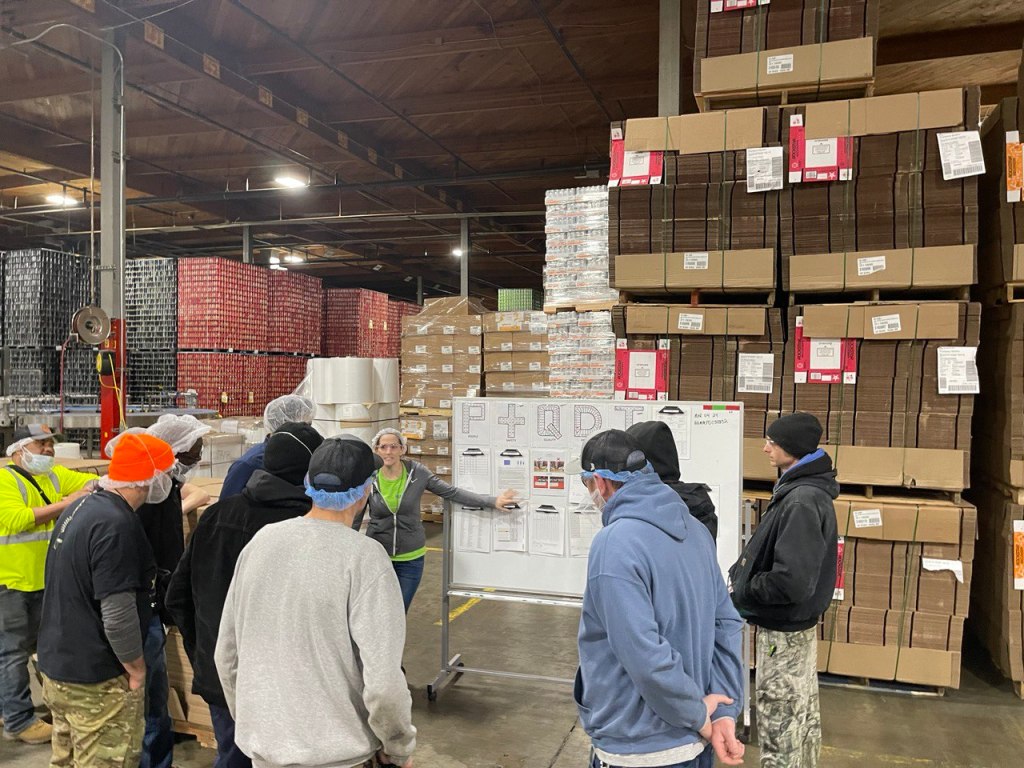
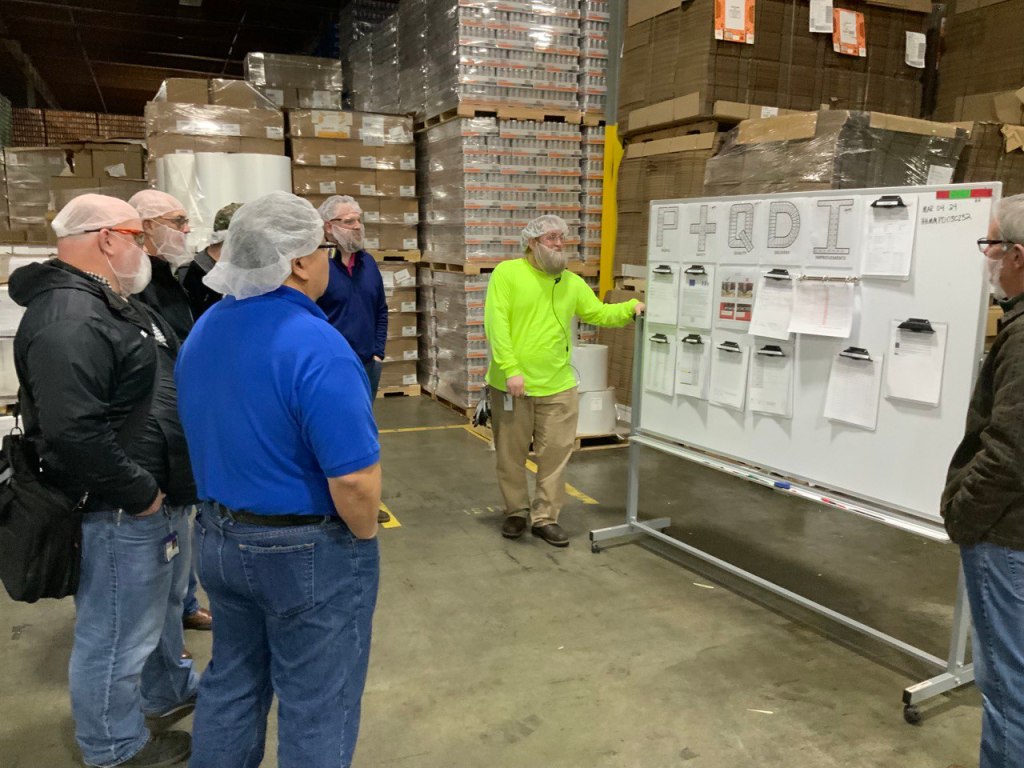
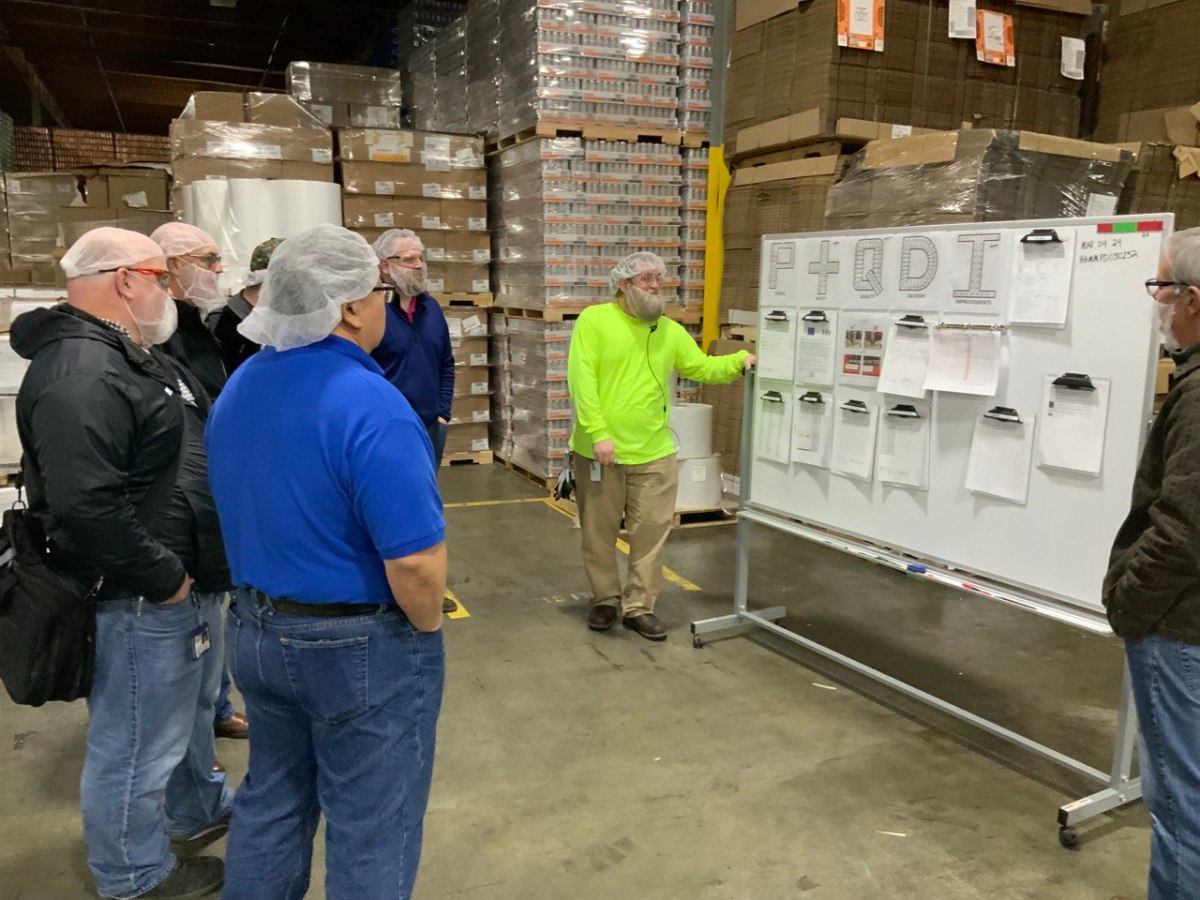
I am excited as we have rolled out our new Daily Management System and Portland Bottling Company., As a manager in the beverage industry, it’s essential to have a clear and concise visual management system in place. This system should be updated regularly with Key Performance Indicators (KPIs) to ensure that everyone on the team is on the same page. The purpose of a visual management board is to provide everyone with a comprehensive overview of the business’s performance and to promote transparency and accountability, and teamwork.

In this blog post, we will be discussing how we updated our visual management board with KPIs, and how we got our hourly team members and operators involved in the process.

Step 1: Identifying the Key Performance Indicators

The first step in updating our visual management board was to identify the KPIs that would be the most impactful for our team. We considered a range of factors, including production efficiency, product quality, and customer satisfaction, to determine which KPIs would be the most relevant. All team members got to weigh in on the discussion. The critical point is that if your hourly team members are going to “own” the board, they have to be involved in the creation process.

Step 2: Setting Up the Visual Management Board

We chose to go with a basic board but with a twist or two on it.

  1. Since we truly believe that our People are our greatest asset – that KPI comes first.
  2. Secondly, we chose Safety as that easily coincides with taking care of our team members and ensuring compliance with training requirements.

Step 3: Involving the Hourly Team Members and Operators

Once we had identified some of the KPIs, we set up a visual management board in our production office area. We held multiple training sessions with multiple departments and even enjoyed “mock” meetings where we got to do a meeting and offer feedback and support to each other. It actually turned out to be quite fun.

The next step was to get our hourly team members and operators involved in the process. We organized a team meeting and invited everyone to discuss the new visual management board. During the meeting, we explained the purpose of the board and how the KPIs would be used to improve production efficiency and customer satisfaction. We also invited everyone to suggest additional KPIs that they believed would be beneficial.

As we implemented the system live, the boards were placed as close to the machines as possible, where they could be easily seen by everyone on the team. We used color-coded charts and graphs to display the KPIs, which made it easy for everyone to understand the data.

Step 4: Updating the Visual Management Board Regularly

We updated the visual management board regularly, ensuring that the KPIs were accurate and up-to-date. This allowed everyone to track their performance and make improvements where necessary. We also provided regular feedback to our hourly team members and operators on their performance and how they were contributing to the overall success of the business.

Step 5: Celebrating Success

Finally, we celebrated success by recognizing the achievements of our hourly team members and operators. This helped to promote a positive and motivated work environment, and it encouraged everyone to continue working towards our shared goals.

Step 6: Management Gemba Walks

Don’t forget about your Management Gemba Walks.

The purpose of management Gemba walks in a visual management system is to enable managers to observe and evaluate how work is being performed in the workplace. Gemba is a Japanese term that means “the real place” or “the place where work is done.” Gemba walks are a management technique that involves going to the actual location where work is being performed, observing the process, and talking to the employees who are performing the work.

In the context of a visual management system, Gemba walks allow managers to see how the system is functioning in practice, identify any issues or problems, and make necessary improvements. Visual management systems are designed to make information about processes, performance, and quality visible and easily understandable, so Gemba walks can be used to ensure that the information being presented is accurate and up-to-date.

Our managers do their formal Gemba twice a week to observe as close to the machine as possible. By actively engaging with employees and observing the process in action, managers can gain a deeper understanding of how work is being done, identify any inefficiencies or areas for improvement, and provide feedback to the team. Gemba walks also provide an opportunity for managers to build relationships with employees, demonstrate their support for the team, and reinforce the importance of continuous improvement

In conclusion, updating our visual management board with KPIs has been a valuable process. It has helped us to promote collaboration, teamwork, and a shared understanding of our goals. By involving our hourly team members and operators in the process, we have been able to improve production efficiency, product quality, and customer satisfaction.

Unlocking Human Potential: Automation, Standardization, and Organizational Culture

When mundane, repetitive tasks are automated, supervisors are no longer bogged down by the minutiae of day-to-day operations. Instead, they can redirect their focus towards higher-level strategic activities and, most importantly, their teams.

Finding ways to improve efficiency and productivity is essential. I’m currently automating some quality checks for my supervisors, a move that promises to streamline their workload significantly. The reduction of paperwork and non-value-added activities frees them up to focus on what truly matters: problem-solving and team development. This shift is not only beneficial for efficiency but also for building a more engaged and motivated workforce.

The Power of Standardization in Automation

Standardization in automation refers to the establishment of consistent, repeatable processes that can be efficiently managed by automated systems. This approach minimizes variability, reduces errors, and ensures high-quality outcomes. As highlighted in a Harvard Business Review article, “Standardizing processes is a crucial step in leveraging the full potential of automation. It creates a stable foundation upon which innovative and creative work can thrive.”

Liberating Supervisors to Lead and Inspire

When mundane, repetitive tasks are automated, supervisors are no longer bogged down by the minutiae of day-to-day operations. Instead, they can redirect their focus towards higher-level strategic activities and, most importantly, their teams. Here are some ways this shift can positively impact an organization:

  1. Enhanced Employee Engagement: Supervisors who have the time to engage with their teams can foster stronger relationships and create a more inclusive work environment. By being present and available, they can better understand their employees’ needs, aspirations, and challenges, leading to more personalized and effective leadership. According to Harvard Business Review, “Automation of administrative tasks frees managers to focus on coaching and development, significantly boosting team engagement.”
  2. Building a Positive Culture: A strong organizational culture is built on trust, communication, and shared values. When supervisors are not tied down by administrative tasks, they can invest time in activities that promote these elements, such as team-building exercises, open forums, and one-on-one meetings. As noted by Harvard Business Review, “Culture-building activities are essential in both traditional and hybrid work environments, fostering a sense of belonging and shared purpose.”
  3. Encouraging Innovation: With the administrative load lightened, supervisors can focus on fostering a culture of innovation. They can encourage their teams to think creatively, experiment with new ideas, and take calculated risks. This environment not only motivates employees but also drives the organization forward. “When managers are freed from routine tasks, they can better support innovation and creativity within their teams,” emphasizes a Harvard Business Review article.
  4. Personal and Professional Development: Supervisors who can dedicate time to mentoring and coaching can significantly impact their team’s growth. By providing regular feedback, setting clear goals, and supporting professional development, they can help their employees reach their full potential. As stated in Harvard Business Review, “Investing in the professional development of employees not only enhances their skills but also boosts morale and job satisfaction.”

Real-World Examples

Many organizations have seen the benefits of this approach. For instance, Toyota’s adoption of standardized automation processes in their manufacturing has allowed supervisors to focus more on their teams. This shift has been integral to their renowned culture of continuous improvement and employee development.

Another example is the use of automated tools in the tech industry. Companies like Google and Microsoft use automation to handle repetitive coding and testing tasks. This allows supervisors and senior engineers to focus on innovative projects and mentoring junior staff, fostering a collaborative and growth-oriented environment.

Conclusion: The Human Side of Automation

Automation and standardization are often viewed through a lens of efficiency and productivity. However, their true power lies in their ability to free up human potential. By automating routine tasks, supervisors can focus on what truly matters—people. They can build stronger relationships, foster a positive culture, and drive innovation, ultimately leading to a more engaged and motivated workforce.

As we continue to embrace automation, it’s crucial to remember that its greatest benefit is not just in the tasks it can perform, but in the time and space it creates for human connection and growth. In the end, it’s this balance of technology and humanity that will drive organizations towards sustainable success.

New Year, New Leader Standard Work (LSW)

When implementing LSW in a production environment, it is important to involve all members of the production team in the process. This can help to ensure that everyone has a clear understanding of their roles and responsibilities and that they are fully committed to the implementation of LSW.

It is that time of the year again. Reviewing budgets, strategies, etc. One thing that I am currently working on is updating my Leader Standard Work to align with our updated goals for 2023.

Leader Standard Work (LSW) is a tool that can be used to effectively manage production systems. It is a set of procedures and processes that outline the specific tasks and responsibilities of leaders and managers in a production environment. By following LSW, leaders and managers can ensure that their teams have the necessary information and resources to perform their jobs effectively and efficiently.

One of the key benefits of LSW is that it helps to standardize the way that work is done in a production environment. This can help to reduce variability and improve the overall quality of the products or services being produced. It also helps to ensure that all employees are working to the same standards, which can improve communication and collaboration among team members.

Another benefit of LSW is that it helps to ensure that leaders and managers are aware of any issues or problems that may arise in the production process. This can help them to quickly identify and address any problems, which can help to prevent delays and minimize the impact of any disruptions to the production process.

When implementing LSW in a production environment, it is important to involve all members of the production team in the process. This can help to ensure that everyone has a clear understanding of their roles and responsibilities and that they are fully committed to the implementation of LSW. It is also important to provide training and resources to employees, to help them understand and effectively implement the new procedures and processes.

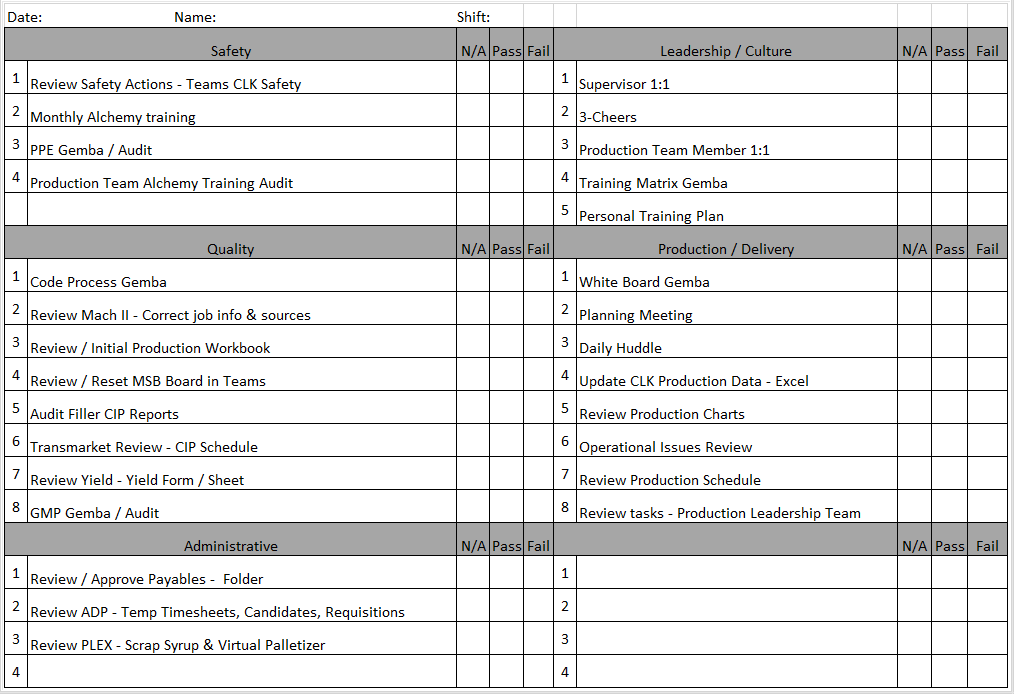
Here is the draft LSW that I am working with.

To effectively monitor and maintain LSW, management must establish visual management systems such as Andon, KPI boards and process mapping. These visual tools helps to track the performance of the processes, identify problems and quickly address them. The data from the visual management systems is used for continuous improvement and to make necessary adjustments to the LSW procedures.

Overall, LSW is a powerful tool for managing production systems and can help to improve the efficiency and quality of the production process. By standardizing the way that work is done, leaders and managers can ensure that their teams have the necessary information and resources to perform their jobs effectively and efficiently. Additionally, LSW can be used to quickly identify and address any issues that may arise in the production process, helping to prevent delays and minimize the impact of disruptions.

4 Rules of Process: Rule #4

If a process is not measured with reliable data, it can be difficult to accurately assess its effectiveness or identify areas for improvement. This is because the data being used to evaluate the process may be incomplete, inaccurate, or biased, which can lead to incorrect conclusions being drawn.

It must be measured to understand its results

Measuring the results of a process is important for a number of reasons. Here are a few:

  • It allows you to understand if the process is effective: By tracking and measuring the results of a process, you can determine whether or not it is achieving the desired outcomes. This can help you understand if the process is working as intended and if any adjustments need to be made.
  • It helps you identify areas for improvement: By regularly reviewing the results of a process, you can identify areas where the process may be falling short or where there is room for improvement. This can help you make changes to the process that will result in better outcomes.
  • It helps you optimize the process: By tracking and measuring the results of a process over time, you can identify trends and patterns that can help you optimize the process. For example, you may discover that a certain step in the process is taking longer than necessary, or that a certain type of input is consistently producing better results. By making adjustments based on this data, you can improve the overall efficiency and effectiveness of the process.

Breaking Rule #4

If a process is not measured with reliable data, it can be difficult to accurately assess its effectiveness or identify areas for improvement. This is because the data being used to evaluate the process may be incomplete, inaccurate, or biased, which can lead to incorrect conclusions being drawn.

For example, if you are trying to assess the effectiveness of a new process but you are only measuring a few key performance indicators (KPIs), you may be missing important information about how the process is performing in other areas. This could lead you to make changes to the process that are not actually necessary, or to miss opportunities for improvement that could have a significant impact.

On the other hand, if you are measuring a wide range of KPIs and collecting data from multiple sources, you are more likely to get a more complete and accurate picture of how the process is performing. This can help you make informed decisions about how to optimize the process and achieve better results.

Overall, it’s important to carefully consider how you will measure the results of a process to ensure that you are using reliable data to guide your decision-making.

Summary:

There are a few different ways you can measure the results of a process. One is to set performance targets and track progress against them. For example, if your goal is to reduce the time required to complete a certain task, you might set a target for how much time you want to save and track your progress over time. Another is to collect feedback from those who are carrying out the work. This can help you understand their perspective and identify any issues or challenges they are facing. Finally, you can analyze data related to the process, such as the volume of work being completed or the number of errors being made. This can help you understand the overall performance of the process and identify trends or patterns that can be addressed.

4 Rules of Process: Rule #3

If a process isn’t easy to follow because of various obstacles (problems with equipment, materials, schedules, instructions, etc.) workers will be forced to work “around the system” to get the job done; this will produce differing results.

It must be easy to execute on the job

About four weeks prior to this post we had a technical service person from the equipment manufacturer onsite working with us on some process and programming improvements we requested to be completed. It was towards the end of the week and he would be leaving after the next day.

He was able to witness one of our processes where we filled some generic cans with just water. That water is tested by our lab for sanitation specifications. It was a simple process – if you knew how to do it. What was required was to follow a specific sequence of manually opening valves using an HMI (Human Machine Interface) screen. Filling the cans. Then reversing the process so any excess water could be drained.

One problem…if you were unfamiliar with the screen pictured above – an “easy” 3 step process can be challenging to execute. Imagine how you’d feel looking at all the icons on the screen and not knowing which ones to press or what risk there is to selecting the wrong ones. Daunting right?

Breaking Rule #3

If a process isn’t easy to follow because of various obstacles (problems with equipment, materials, schedules, instructions, etc.) workers will be forced to work “around the system” to get the job done; this will produce differing results.

Making a process easy to execute on the job is important for a number of reasons. Here are a few:

  • It reduces the risk of errors: When a process is easy to follow, it’s less likely that mistakes will be made. This can help to improve the quality of the work and reduce the need for rework or corrections.
  • It saves time: When a process is easy to follow, it can be completed more efficiently. This can help to reduce the time required to complete the work, which can be especially important in fast-paced or time-sensitive situations.
  • It improves morale: When a process is easy to follow, it can be less frustrating for those carrying out the work. This can help to improve morale and increase job satisfaction, which can have a positive impact on team performance.

There are a few things that can be done to make a process easy to execute on the job. One is to break down complex tasks into smaller, more manageable steps. This can make it easier for those carrying out the work to understand what needs to be done and how to do it. Another is to provide the necessary resources and tools to make the work easier. This could include things like clear instructions, templates, or specialized equipment. Finally, it’s important to ensure that those carrying out the work have received proper training and understand the process fully. This can help to reduce confusion and improve efficiency.

Theory of Constraints Training Pack

Participants in TOC training programs may also learn about how to apply these concepts to real-world business situations, including how to identify and eliminate bottlenecks, how to set and achieve goals, and how to measure and improve organizational performance.

The Theory of Constraints (TOC) is a management philosophy developed by Eliyahu M. Goldratt that is designed to help organizations maximize their profits by identifying and eliminating bottlenecks that prevent them from reaching their full potential. It is based on the idea that every organization has a limited number of resources, such as time, money, and personnel, and that these resources are constrained by certain factors that limit their ability to produce results. By identifying and addressing these constraints, organizations can increase their efficiency and productivity and achieve their desired outcomes.

Training in TOC typically involves learning about the principles and tools of the theory, including the Five Focusing Steps, the Thinking Processes, and the Drum-Buffer-Rope (DBR) scheduling system. Participants in TOC training programs may also learn about how to apply these concepts to real-world business situations, including how to identify and eliminate bottlenecks, how to set and achieve goals, and how to measure and improve organizational performance.

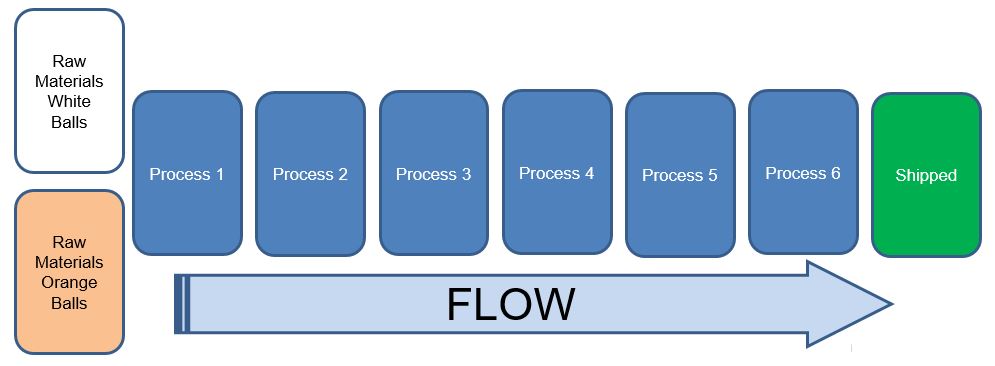
Below is a training deck/game created to help you – the Lean Leader – train your team on the identification of bottlenecks and how to address the constraints as you move closer to optimizing your production or manufacturing process.

This training kit is designed to give your team a hands-on experience with random process variation.

Supplies / Materials

  • 3 Sets of Dice
    • 1 White – to match white ping pong balls
    • 1 Orange – to match orange ping pong balls
    • 1 Blue – to represent Overtime
  • 9 Containers or bins
    • 1 for each of the 6 processes
    • 1 for the raw materials (before process 1)
    • 1 to receive “shipped” ping pong balls
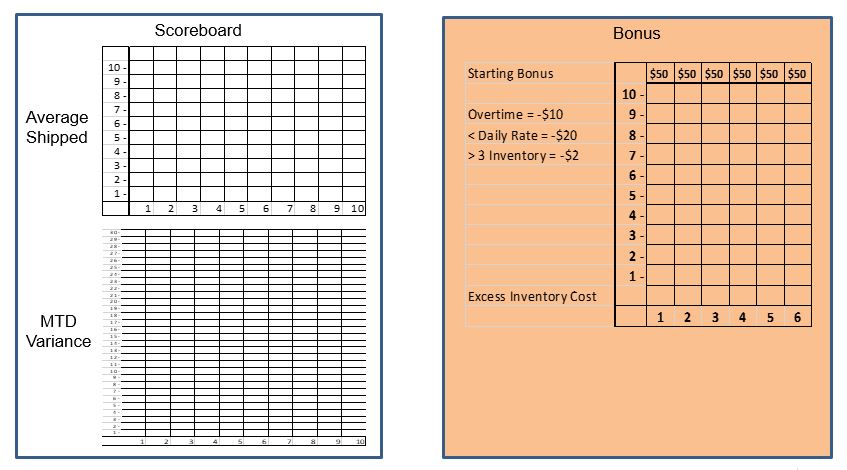
  • 2 Flip chart sheets
    • 1 to draw the “Shipped” KPI and MTD Variance KPI
    • 1 to track “Bonus” points

Participants – for Role Play

  • 6 Supervisors – Manage each operation (bowl)
  • 1 General Manager – Controls cost through overtime and supermarket (inventory) approvals
  • 2 Manufacturing Managers – each one manages 3 supervisors
  • 1 Customer – responds positively or negatively to throughput/delivery of each roll

Game Setup

  • 2 Bins of Raw Materials (ping pong balls)
  • 6 Stations = 1 Person per 1 Process Container + 1 Die
  • 3 Balls (Beginning Inventory) at each Process (in each bowl to start)
  • 6 Flip Chart Sheets (or printed 11×17)  – 5 Scoreboards and 1 Bonus

The accompanying Excel sheet contains printable examples on 11″x17″ size paper.

Game Play – 7 Rounds (10 rolls each process) + Bonus Round

Round 1 – Basic

Rules

  1. Each person will roll their die 1 x 10
  2. The number rolled represents production for the day
  3. They will pass that number of balls to the next process −If there are not enough balls in their inventory then they pass only the number available
  4. The scorekeeper will write down the actual shipments (chart 1) and the cumulative shipments (chart 2)

Observations

  1. Note the random variation in inventory levels
  2. Note the strain on flow through the value stream
  3. Note the inconsistency of shipments (chart 1)
  4. Note the increasing variance to target (chart 2)

Round 2 – Improvement #1 – Add 1 Inventory Supermarket

Rules

  1. The team will decide (majority wins) to place one supermarket of inventory( 3 days worth or 9 balls) at a strategic location between any two processes
  2. Each person will roll their die 1 x 10
  3. The number rolled represents production for the day
  4. They will pass that number of balls to the next process −If there are not enough balls in their inventory then they pass only the number available
  5. The scorekeeper will write down the actual shipments (chart 1) and the cumulative shipments (chart 2)

Observations

  1. Note the reduction of variation near the supermarket
  2. Note the strain on flow through the value stream
  3. Note the inconsistency of shipments (chart 1)
  4. Note the increasing variance to target (chart 2)

Round 3 – Firefighting #1 – Add Labor Sharing

Rules

  1. Setup the game the same as the previous round
  2. Each person will roll their die 1 x 10
  3. The number rolled represents production for the day
  4. They will pass that number of balls to the next process
    • If there are not enough balls in their inventory then they pass only the number available
    • A process that has excess inventory can choose to not roll a turn and loan labor (forfeit their roll and pass their die to another process) that needs an additional roll to be able to move more inventory
  5. The scorekeeper will write down the actual shipments (chart 1) and the cumulative shipments (chart 2)

Observations

  1. Note the reduction of variation near the supermarket
  2. Note the strain on flow through the value stream
  3. Note the inconsistency of shipments (chart 1)
  4. Note the increasing variance to target (chart 2)

Round 4 – Firefighting #2 – Add Overtime (3 Blue Die – Max per round)

Rules

  1. Setup the game the same as the previous round
  2. Each person will roll their die 1 x 10
  3. The number rolled represents production for the day
  4. They will pass that number of balls to the next process
    • If there are not enough balls in their inventory then they pass only the number available
    • If there are not enough balls in their inventory then they pass only the number available
    • Another process that has excess inventory can choose to not roll and loan labor (forfeit their roll and pass their die to another process) that needs to move more inventory
  5. If the roll results in a number too low, the participant can request (from the manager) to use an available Overtime roll to make the production rate for the round
    1. There is a maximum of 3 Overtime rolls per round
  6. The scorekeeper will write down the actual shipments (chart 1) and the cumulative shipments (chart 2)

Round 5 – Merit / Bonus Round

Rules

  1. Same as the previous Round
  2. Each person starts out with a $50 Bonus
  3. The scorekeeper subtracts the following penalties from each person during the round:
    • Overtime – $10.00
    • Not hitting Daily Rate – $20.00
    • Greater than 3 balls of ending inventory – $1.00
  4. The winner is the player with the most bonus points

Observations

  1. What changed?
  2. Did anything improve?
  3. Is Labor sharing or Overtime sustainable or ideal?

Summary

This training event is an opportunity to review the key concepts and principles of TOC and how they can be applied in participants’ organizations.

At the conclusion of the training, participants should have a clear understanding of the TOC philosophy and how it can be used to identify and eliminate bottlenecks that prevent organizations from reaching their full potential. They should also have the knowledge and skills to set and achieve goals, measure and improve organizational performance, and apply the TOC tools and techniques to real-world business situations.

Participants may have the opportunity to share their thoughts and experiences with the TOC philosophy and how they plan to use it in their organizations. They may also have the opportunity to ask questions and seek guidance from the instructor and other participants.

The Trust Catalyst: From Storming to Performing

Therefore, it is important for team leaders to foster an environment of trust within the team. This can be achieved through open and honest communication, setting clear expectations, and consistently following through on commitments. By building trust within the team, leaders can create a strong foundation for the team to work effectively and achieve its goals.

Navigating through the phases of team development

Effective teamwork is essential for the success of any organization. Whether you’re working in a small startup or a large corporation, the ability to collaborate and communicate effectively with your colleagues can make all the difference in achieving your goals. However, building a strong, cohesive team doesn’t happen overnight – it takes time, effort, and a commitment to continuous improvement. In this article, we’ll explore the four stages of team development and provide practical tips for moving from one stage to the next, ultimately reaching the highest level of performance. By understanding and following these principles, you can help your team achieve its full potential.

4 Stages of Team Development

There are several models that describe the stages of team development. One common model is Bruce Tuckman’s “Forming, Storming, Norming, Performing” model.

  1. Forming: This is the first stage of team development, where the team is coming together for the first time. At this stage, team members are generally polite and courteous to each other, as they are trying to get to know each other and establish their roles within the team.
  2. Storming: In the storming stage, conflicts and power struggles may arise as team members begin to assert themselves and challenge the team’s goals and direction. This can be a challenging and unsettling time for the team, but it is also an important step in the team’s development.
  3. Norming: During the norming stage, the team begins to resolve conflicts and establish norms and expectations for how they will work together. This can be a time of increased productivity and cohesiveness as team members become more comfortable with each other and their roles.
  4. Performing: In the performing stage, the team is functioning at a high level and is able to work effectively and efficiently towards achieving its goals. Team members have a strong sense of commitment to the team and are able to handle conflicts that may arise in a constructive manner.

Begin with TRUST!

Trust is an essential element of team development and plays a crucial role in the success of a team. When team members trust each other, they are more likely to collaborate effectively, communicate openly and honestly, and support each other in achieving the team’s goals.

Without trust, team members may be hesitant to share ideas, offer constructive feedback, or ask for help when needed. This can lead to a lack of cohesion and can hinder the team’s ability to achieve its objectives.

Therefore, it is important for team leaders to foster an environment of trust within the team. This can be achieved through open and honest communication, setting clear expectations, and consistently following through on commitments. By building trust within the team, leaders can create a strong foundation for the team to work effectively and achieve its goals.

From Forming to Storming

The first stage of team development is known as the forming stage, where team members are coming together for the first time and getting to know each other. At this stage, team members are generally polite and courteous to each other, as they are trying to establish their roles within the team and build relationships.

However, as the team begins to work together more closely and tackle challenges, it is not uncommon for conflicts to arise, leading to the storming stage. During the storming stage, team members may begin to assert themselves and challenge the team’s goals and direction. This can be a difficult and unsettling time for the team, as power struggles and personality clashes may occur.

It is important for team leaders to recognize that the storming stage is a normal and necessary part of the team development process. By encouraging open communication and actively listening to team members’ concerns, leaders can help the team work through conflicts and move on to the next stage of development – the norming stage. This is where the team begins to resolve conflicts and establish norms and expectations for how they will work together, leading to increased productivity and cohesiveness.

By following these principles and supporting the team through the forming and storming stages, leaders can help the team reach its full potential and move on to the performing stage, where they are functioning at a high level and are able to work effectively and efficiently towards achieving their goals.

From Storming to Norming

The storming stage of team development can be a difficult and challenging time for a team, but it is also an important step in the team’s development. Here are some strategies that can help a team get through the storming stage:

  1. Establish clear goals and roles: Having clear goals and well-defined roles can help reduce conflict and ensure that everyone is working towards the same objectives.
  2. Encourage open communication: Encourage team members to openly communicate their thoughts, feelings, and concerns. This can help resolve conflicts and ensure that everyone’s needs are being met.
  3. Practice active listening: Encourage team members to listen actively and try to understand each other’s perspectives. This can help foster a sense of mutual understanding and respect within the team.
  4. Seek outside help: If conflicts within the team are severe or prolonged, it may be helpful to seek outside help, such as a mediator or a team-building consultant.
  5. Be patient: It is normal for conflicts to arise during the storming stage, and it may take time for the team to work through these issues. It is important to be patient and allow the team the time and space it needs to resolve conflicts and move on to the next stage of development.

From Norming to Performing

Here are some strategies that can help a team move from the norming stage to the performing stage:

  1. Review and revise team goals: Revisit the team’s goals to ensure that they are still relevant and aligned with the needs of the organization. This can help keep the team focused and motivated.
  2. Encourage ongoing communication: Encourage team members to continue communicating openly and honestly with each other. This can help maintain a healthy team dynamic and ensure that everyone’s needs are being met.
  3. Foster a positive team culture: Encourage a positive team culture by recognizing and rewarding team members for their contributions, and by creating a supportive and inclusive environment.
  4. Provide support and resources: Ensure that team members have the resources and support they need to succeed, including training, tools, and any other necessary support.
  5. Encourage continuous improvement: Encourage team members to seek out new ways to improve processes and outcomes. This can help the team stay innovative and efficient.

High-Performing Teams

So how do you know you have arrived at the “Performing” stage?

A high-performing team is one that is able to work effectively and efficiently towards achieving its goals. Here are some signs that a team may be high-performing:

  1. Clear goals and objectives: The team has well-defined goals and objectives and is able to work towards achieving them.
  2. Strong communication: Team members communicate openly and honestly with each other and are able to effectively collaborate and share ideas.
  3. High levels of trust: Team members trust and respect each other, and are comfortable relying on each other to get the job done.
  4. Good problem-solving skills: The team is able to identify and solve problems effectively and efficiently.
  5. Adaptability: The team is able to adapt to change and handle unexpected challenges in a constructive manner.
  6. High levels of engagement: Team members are committed to the team and are actively engaged in achieving the team’s goals.
  7. Positive team culture: The team has a positive and supportive culture that encourages collaboration and innovation.

Conclusion:

In conclusion, effective teamwork is crucial for the success of any organization. By understanding and following the stages of team development, team leaders can help their team move from the forming stage to the performing stage, where they are able to work effectively and efficiently towards achieving their goals. By fostering trust, open communication, and a positive team culture, leaders can create a strong foundation for the team to succeed. By following these principles, teams can reach their full potential and make a significant contribution to the organization.

5 Proven Steps for Effectively Solving Problems

Structured problem-solving is a valuable tool for effectively identifying and addressing problems. It allows for a logical and systematic approach that can help to ensure that the best solution is chosen and implemented. However, there are several factors that can prevent people from using this process, and it is important to be aware of these obstacles in order to overcome them and make the most of this problem-solving method.

Structured problem-solving is a systematic process for identifying and resolving problems. It involves defining the problem, generating potential solutions, evaluating those solutions, choosing the best one, and implementing and testing it. However, there are several reasons why people may not use this approach, including a lack of time, a lack of understanding, personal biases, group dynamics, and resistance to change.

The 5 Steps:

  1. Define the problem clearly and accurately
  2. Generate potential solutions
  3. Evaluate the potential solutions
  4. Choose the best solution
  5. Implement and test the solution

Clarification of Each Strategy

  1. Defining the problem clearly and accurately is the first step in effective problem-solving. This involves understanding the root cause of the problem and identifying any underlying issues that may be contributing to it.
  2. Generating potential solutions involves coming up with as many ideas as possible for addressing the problem. This can be done through brainstorming sessions with a team or individually.
  3. Evaluating the potential solutions involves analyzing each solution and considering its pros and cons. This helps to determine which solution is the most viable.
  4. Choosing the best solution involves selecting the solution that is most likely to effectively address the problem and meet the desired outcomes.
  5. Implementing and testing the solution involves putting the chosen solution into action and evaluating its effectiveness. This may involve making adjustments or trying a different solution if the initial one does not produce the desired results.

Resistance to Structured Problem-Solving

There are several reasons why people may not use structured problem-solving:

  1. Lack of time: Sometimes, people may feel that they do not have the time to follow a structured problem-solving process. They may feel pressure to come up with a solution quickly and may skip steps in order to do so.
  2. Lack of understanding: Some people may not understand the value of structured problem-solving or may not know how to use the process effectively.
  3. Personal biases: People may have their own biases or preconceived notions that prevent them from considering all possible solutions or evaluating them objectively.
  4. Group dynamics: In a group setting, there may be social pressures or dynamics at play that prevent people from fully participating in the problem-solving process.
  5. Resistance to change: Some people may be resistant to trying new approaches or may be comfortable with their existing ways of problem-solving, even if they are not the most effective.

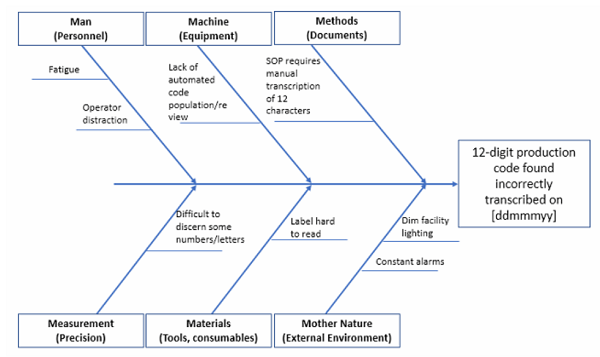
The Fishbone Diagram

To assist in overcoming the resistance to using structured problem-solving, an Ishikawa diagram, also known as a “cause and effect diagram” or a “fishbone diagram,” is a tool used to identify and analyze the root causes of a problem. It is named after its creator, Dr. Kaoru Ishikawa, who developed the method in the 1950s as a way to improve quality control in manufacturing. Today, it is widely used in a variety of industries, including healthcare, finance, and engineering, to help teams understand and solve problems more effectively.

To create an Ishikawa diagram, start by identifying the problem you are trying to solve and writing it at the head of the diagram. Then, draw a horizontal line branching off from the head of the diagram and label it with one of the six main categories of causes: people, methods, machines, materials, measurement, and environment. These categories represent the most common sources of problems and are meant to be used as a starting point for brainstorming.

Next, draw additional lines branching off from each of the main categories, and label them with specific causes that could be contributing to the problem. It is important to be as specific and detailed as possible, as this will help you identify the root cause of the problem more easily.

Once you have identified all of the potential causes, you can begin analyzing the data and looking for patterns or trends. This may involve collecting additional data, such as measurements or observations, or conducting experiments to test your hypotheses.

One of the key benefits of using an Ishikawa diagram is that it helps teams visualize the relationships between different causes and their potential impact on the problem. This can make it easier to identify the root cause of the problem, rather than just addressing the symptoms.

An Ishikawa diagram is a powerful tool for root cause analysis that can help teams understand and solve problems more effectively. By identifying the main categories of causes and brainstorming specific contributing factors, teams can use this method to identify the root cause of a problem and implement effective solutions.

Conclusion:

In conclusion, structured problem-solving is a valuable tool for effectively identifying and addressing problems. It allows for a logical and systematic approach that can help to ensure that the best solution is chosen and implemented. However, there are several factors that can prevent people from using this process, and it is important to be aware of these obstacles in order to overcome them and make the most of this problem-solving method.