
Human-Centric Automation: Unleashing Potential and Empowering Growth

Standardizing automation involves creating consistent, repeatable processes managed by automated systems. This reduces variability, minimizes errors, and ensures high-quality outcomes.

One of the main tasks of operations leadership is enhancing efficiency and productivity. As a Production Manager, I’ve experienced firsthand the time-consuming nature of paper inspections. These manual processes often divert valuable time away from critical team interactions and strategic problem-solving.

To address this, I’ve implemented automation for our quality checks. This shift from manual paperwork to automated processes not only streamlines operations but also frees up operations leaders to focus on problem-solving and team development. Embracing automation allows us to invest more in our people and cultivate a strong organizational culture.

Table of Contents

  1. The Power of Standardization in Automation
  2. Liberating Operations Leaders to Lead and Inspire
  3. Real-World Examples
  4. Conclusion: The Human Side of Automation

The Power of Standardization in Automation

Standardizing automation involves creating consistent, repeatable processes managed by automated systems. This reduces variability, minimizes errors, and ensures high-quality outcomes. As highlighted by Harvard Business Review, “Standardizing processes is a crucial step in leveraging the full potential of automation. It creates a stable foundation upon which innovative and creative work can thrive.”

Liberating Operations Leaders to Lead and Inspire

Automating routine tasks allows operations leaders to focus on strategic activities and team development. Here’s how this transformation benefits the organization:

Enhanced Employee Engagement

Operations leaders who have the time to engage with their teams can foster stronger relationships and create a more inclusive work environment. They can better understand employees’ needs, aspirations, and challenges, leading to more personalized and effective leadership. According to Harvard Business Review, “Automation of administrative tasks frees managers to focus on coaching and development, significantly boosting team engagement.”

Building a Positive Culture

Trust, communication, and shared values form the bedrock of a strong organizational culture. Freed from administrative burdens, operations leaders can invest in team-building exercises, open forums, and one-on-one meetings, fostering a sense of belonging and shared purpose. As noted by Harvard Business Review, “Culture-building activities are essential in both traditional and hybrid work environments.”

Encouraging Innovation

With less focus on routine tasks, operations leaders can cultivate a culture of innovation. They can encourage teams to think creatively, experiment with new ideas, and take calculated risks. “When managers are freed from routine tasks, they can better support innovation and creativity within their teams,” emphasizes a Harvard Business Review article.

Personal and Professional Development

Operations leaders with more time for mentoring and coaching can significantly impact their team’s growth. By providing regular feedback, setting clear goals, and supporting professional development, they help employees reach their full potential. As stated in Harvard Business Review, “Investing in the professional development of employees not only enhances their skills but also boosts morale and job satisfaction.”

Real-World Examples

The benefits of this approach are evident in many organizations. Toyota’s adoption of standardized automation in manufacturing has enabled operations leaders to concentrate more on their teams, fostering a culture of continuous improvement and employee development.

In the tech industry, companies like Google and Microsoft use automation to handle repetitive coding and testing tasks. This allows operations leaders and senior engineers to focus on innovative projects and mentoring junior staff, promoting a collaborative and growth-oriented environment.

Conclusion: The Human Side of Automation

While automation and standardization are often viewed through the lens of efficiency and productivity, their true value lies in freeing up human potential. By automating routine tasks, operations leaders can focus on what truly matters—people. They can build stronger relationships, foster a positive culture, and drive innovation, ultimately leading to a more engaged and motivated workforce.

As we continue to embrace automation, it’s essential to recognize that its greatest benefit is not just in performing tasks but in creating time and space for human connection and growth. This balance of technology and humanity is what will drive organizations towards sustainable success.


Avoiding Guesspectations: Setting Clear Expectations for Team Success

Guesspectations can lead to misaligned priorities, inefficiencies, and frustration within the team. To help teams perform effectively and meet objectives, it’s crucial for managers to avoid guesspectations by providing clear expectations and setting their team up for success.

Introduction

A key component of successful team management is setting clear expectations for team members. However, when managers fail to communicate these expectations effectively, they inadvertently create a situation we can call “guesspectations.” In this scenario, team members are left to guess or blindly work towards meeting goals without a clear understanding of what is expected of them. Guesspectations can lead to misaligned priorities, inefficiencies, and frustration within the team. To help teams perform effectively and meet objectives, it’s crucial for managers to avoid guesspectations by providing clear expectations and setting their team up for success.

The Results of Guesspectations

  1. Misaligned priorities: When team members are left to guess their goals or objectives, they may develop different interpretations of what’s most important or expected of them. This can result in team members focusing on tasks that may not contribute significantly to the overall goals or ignoring critical tasks altogether. Misaligned priorities can create confusion and hinder the team’s ability to collaborate effectively, making it challenging to achieve common objectives.
  2. Inefficiencies: Guesspectations can lead to inefficiencies as team members may work on tasks or projects without a clear understanding of their relevance or desired outcomes. They may waste time and resources on tasks that do not align with the team’s or organization’s goals, or they may need to redo their work when expectations are later clarified. Inefficiencies can slow down progress, increase costs, and negatively impact the team’s productivity and performance.
  3. Frustration: The ambiguity and uncertainty resulting from guesspectations can cause frustration among team members. They may feel lost or unsupported, unsure of how their work contributes to the overall goals. This frustration can lead to decreased job satisfaction, lower morale, and a decline in motivation. Frustrated team members may disengage from their work or become less committed to the team’s success, which can harm overall team dynamics and effectiveness.

Identifying A Culture of Known Expectations

It can be challenging to determine whether people truly understand what is expected of them, but there are some signs and behaviors that may indicate their level of understanding. When team members have a clear understanding of expectations, they may exhibit the following behaviors:

  1. Proactivity and independence: Team members who understand their responsibilities and goals are more likely to take the initiative and work independently without constant supervision. They will show confidence in making decisions and addressing tasks related to their roles.
  2. Efficient task prioritization: When people know what is expected of them, they can better prioritize their tasks and focus on the most important objectives. This leads to efficient use of time and resources and progress towards meeting team goals.
  3. Constructive communication: Team members who are clear about expectations will be able to articulate their roles, responsibilities, and progress effectively during team meetings or one-on-one discussions. They may also be more inclined to ask clarifying questions and provide constructive feedback to ensure alignment with team objectives.
  4. Collaboration and teamwork: Clear expectations foster a sense of shared responsibility and encourage team members to collaborate effectively. When individuals understand their roles and how they contribute to the team’s overall success, they are more likely to work together, share ideas, and help each other overcome challenges.
  5. Timely completion of tasks: People who know what is expected of them generally complete their tasks on time and within the specified parameters. They are more likely to be accountable for their work and meet deadlines.
  6. Higher motivation and engagement: When expectations are clear, team members are more likely to be motivated and engaged in their work. They will have a better understanding of how their efforts contribute to the team’s success and be more committed to achieving goals.
  7. Adaptability and problem-solving: When team members know what is expected of them, they can better identify potential issues and develop solutions to overcome challenges. They are more likely to be proactive in addressing obstacles and adapting to changes in the work environment.

That brings us to the next issue – How to Avoid Leading with Guesspectations

Turning Guesspectations into Expectations

  1. Clear communication

Effective communication is at the core of avoiding guesspectations. Managers should communicate goals, objectives, and expectations openly, clearly, and consistently to all team members. Regular meetings, written documentation, and one-on-one discussions can be useful tools for communication. Encouraging team members to ask questions and clarify any points of confusion fosters a culture of openness and promotes better understanding. Managers should also be receptive to feedback, which can provide valuable insights into potential areas of improvement.

  1. SMART goals

Establishing specific, measurable, achievable, relevant, and time-bound (SMART) goals for your team provides a clear framework that helps team members understand what is expected of them. Involving team members in the goal-setting process fosters buy-in and commitment to achieving these goals. This approach increases focus, motivation, and productivity by providing a clear roadmap for success.

  1. Regular feedback and support

Providing ongoing feedback, support, and guidance to team members is essential for avoiding guesspectations. Regular check-ins and performance reviews can help ensure that everyone is on track and any issues or challenges are addressed promptly. Constructive feedback and recognition of successes can boost motivation and help team members feel valued and appreciated. Additionally, offering resources and opportunities for professional development can further enhance team performance and personal growth.

Conclusion

By implementing these key strategies, managers can minimize the risk of guesspectations and their negative consequences, creating a supportive work environment and promoting effective collaboration and performance within the team. Clear communication, SMART goal-setting, and regular feedback and support not only prevent confusion and frustration but also set the foundation for a successful and high-performing team. Ultimately, avoiding guesspectations can contribute to better team dynamics, increased job satisfaction, and improved

If You Don’t Have This…..You Are Not Ready To Hire For Culture

Effective onboarding and training programs can help to bridge that gap and ensure that new hires are equipped to succeed in their new position.

“Culture eats strategy for breakfast.” In working with many entrepreneurs, I have found this to be very true, as the culture is the secret sauce that keeps employees motivated and clients happy. “

Jacob M. Engel “Why Does Culture ‘Eat Strategy For Breakfast?” Forbes.com Nov. 2018

Hiring for culture is important because it ensures that new employees fit in well with the existing team and company culture. While skills and experience are certainly important, they are not the only factors to consider when hiring. Here are some reasons why hiring for culture is often prioritized:

  1. Promotes team cohesion: Hiring employees who fit well with the company culture can help promote team cohesion and reduce the chances of conflicts arising due to personality clashes.
  2. Enhances job satisfaction: When employees share the same values and beliefs as their coworkers and the company, they are more likely to feel fulfilled in their work and have higher job satisfaction.
  3. Increases retention rates: Employees who fit in well with the company culture are more likely to stay with the company long-term, reducing turnover and associated costs.
  4. Encourages innovation: When employees share the same values and beliefs, they are more likely to work well together, share ideas, and collaborate. This can lead to greater innovation and creativity.

Of course, it’s important to strike a balance between culture fit and skill level or experience. It’s not enough to hire someone simply because they fit in well with the company culture if they lack the minimum necessary skills and experience for the job. However, when all other factors are equal, culture fit can be the deciding factor in making a successful hire.

3 Ways to Tell If You Are Hiring For Culture

  1. Look for candidates who share your company values: During the interview process, ask questions that are designed to reveal whether or not the candidate shares your company’s core values. For example, if teamwork is a key value at your company, you might ask the candidate to describe a time when they worked collaboratively with others to achieve a common goal.
  2. Assess the candidate’s personality: Personality tests and assessments can be useful tools for determining whether or not a candidate will fit in well with your company culture. These tests can provide insights into a candidate’s communication style, work preferences, and personality traits.
  3. Ask for references from former coworkers or managers: Speaking with former colleagues or managers can give you a better sense of how the candidate has interacted with others in a work setting. Ask questions about the candidate’s teamwork skills, communication style, and ability to fit in with the company culture.

Overall, hiring for culture is about finding candidates who will not only excel at the job but also thrive within the company environment. By focusing on candidates who share your company values, assessing their personality traits, and speaking with former colleagues or managers, you can increase the chances of making a successful cultural fit hire.

The Missing Ingredient to Hiring For Culture

Having effective onboarding, training, and development programs is also crucial for ensuring that new hires can thrive within your company culture. While hiring for culture fit is important, it’s not enough on its own.

Currently, we use a Team Member Training Matrix displayed with the critical Standard Work items along with corresponding SOP’s to ensure each skill set is covered by our training program.

It utilizes an incremental 25% completion criteria for progress tracking.

25% – SOP has been reviewed and signed

50% – Team member participates in the process

75% – Team members can complete the process with little or no supervision

100% – Team member is a subject matter expert and can train others

If you don’t have effective onboarding and training programs, you are not ready to hire for culture.

Richard Rich

Here are a few reasons why:

  1. Ensuring that new hires have the necessary skills: Even if you hire someone who is a great cultural fit, they may not have all of the skills necessary to excel in their new role. Effective onboarding and training programs can help to bridge that gap and ensure that new hires are equipped to succeed in their new position.
  2. Accelerating the learning curve: Even experienced hires may take some time to adjust to your company’s specific processes and workflows. By providing comprehensive training, you can help to accelerate the learning curve and reduce the time it takes for new hires to become fully productive.
  3. Fostering a sense of belonging: Effective onboarding programs can help new hires to feel welcomed and supported within your company culture. This can help to foster a sense of belonging and reduce the chances that the new hire will feel like an outsider.
  4. Supporting ongoing growth and development: Training and development programs can help to support ongoing growth and development for all employees, not just new hires. This can help to keep employees engaged and motivated over the long term.

In short, while hiring for culture fit is important, it’s only the first step in building a successful team. By pairing culture fit with effective onboarding, training, and development programs, you can set your new hires up for success and help to build a thriving company culture over the long term.

Daily Management System

his allowed everyone to track their performance and make improvements where necessary. We also provided regular feedback to our hourly team members and operators on their performance and how they were contributing to the overall success of the business.

Using Visual Tools to Manage Your Team, Department, or Organization

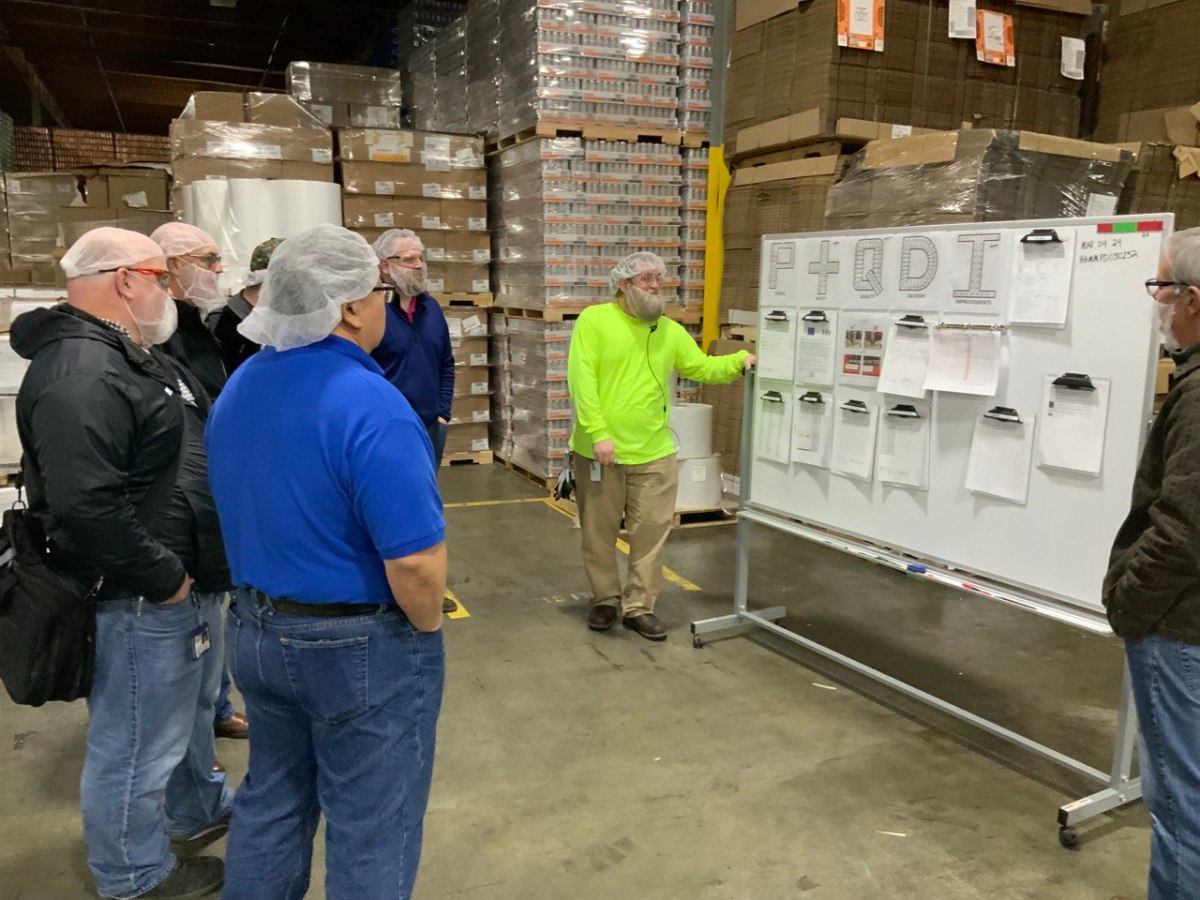
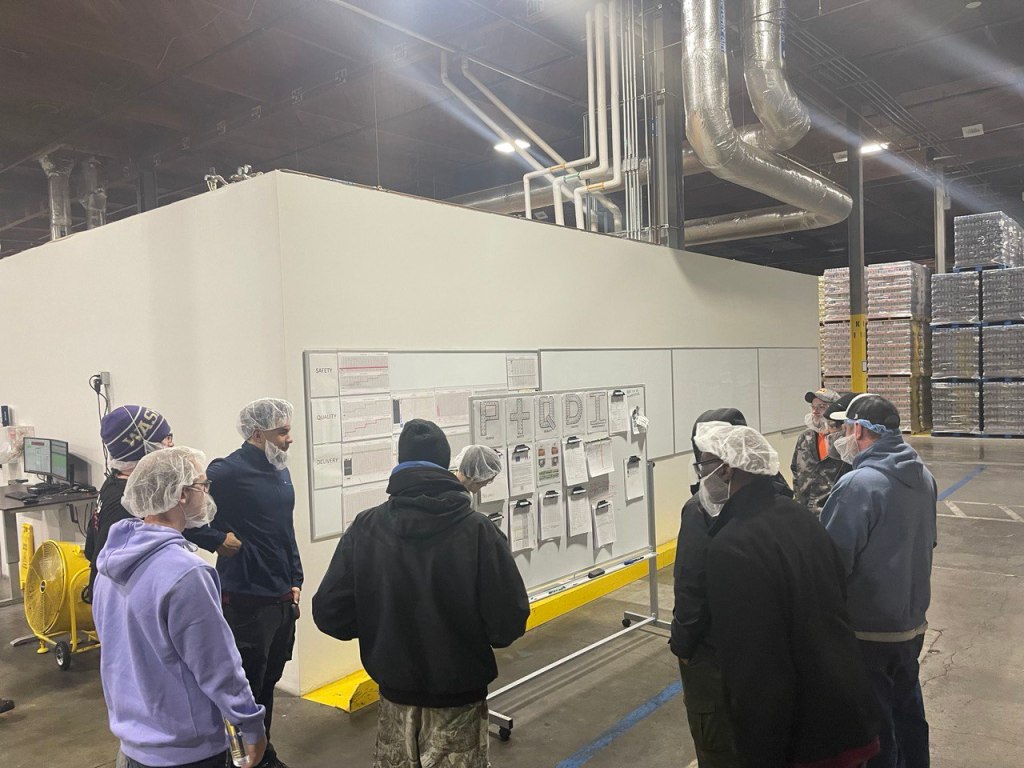
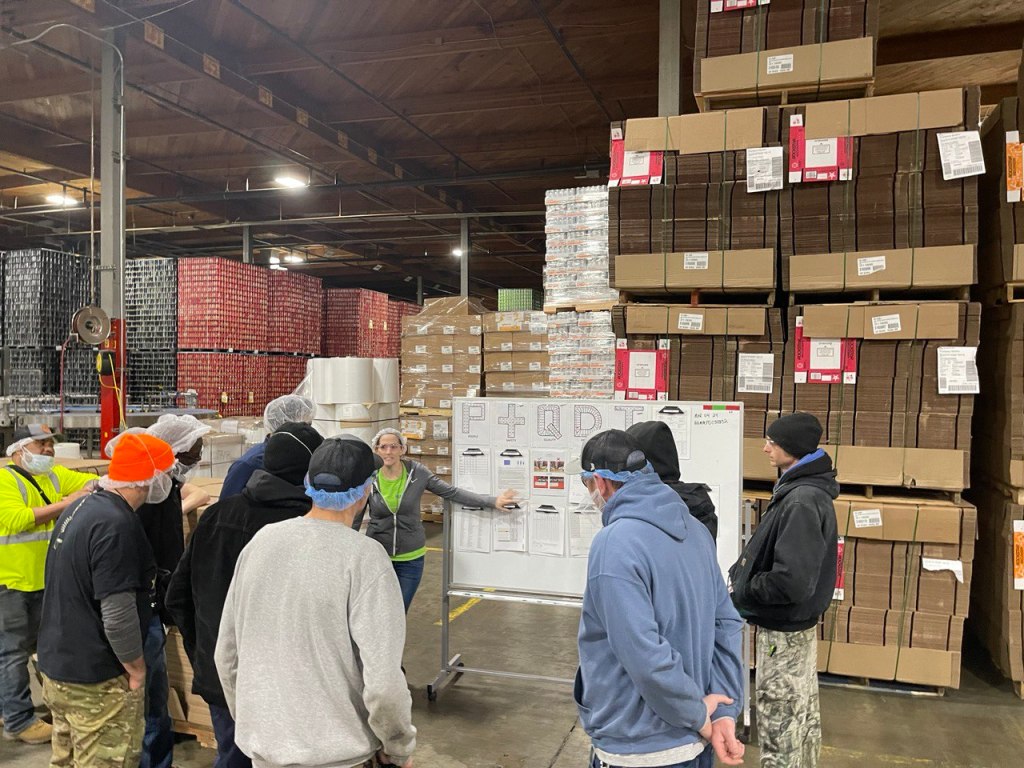
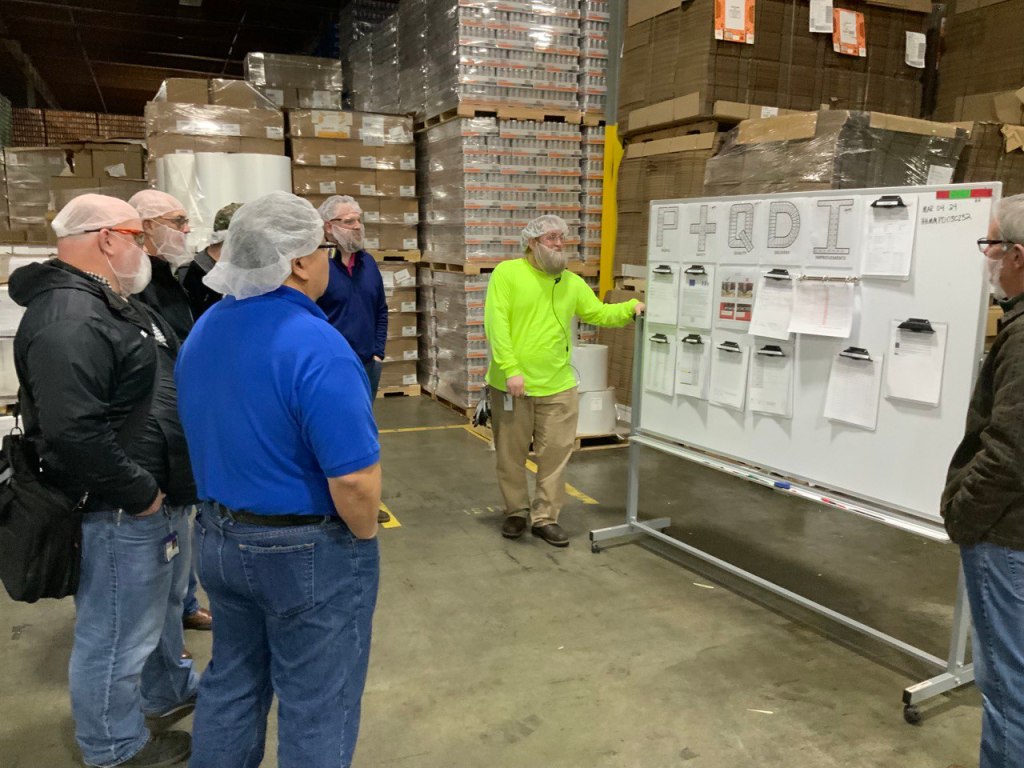
I am excited as we have rolled out our new Daily Management System and Portland Bottling Company., As a manager in the beverage industry, it’s essential to have a clear and concise visual management system in place. This system should be updated regularly with Key Performance Indicators (KPIs) to ensure that everyone on the team is on the same page. The purpose of a visual management board is to provide everyone with a comprehensive overview of the business’s performance and to promote transparency and accountability, and teamwork.

In this blog post, we will be discussing how we updated our visual management board with KPIs, and how we got our hourly team members and operators involved in the process.

Step 1: Identifying the Key Performance Indicators

The first step in updating our visual management board was to identify the KPIs that would be the most impactful for our team. We considered a range of factors, including production efficiency, product quality, and customer satisfaction, to determine which KPIs would be the most relevant. All team members got to weigh in on the discussion. The critical point is that if your hourly team members are going to “own” the board, they have to be involved in the creation process.

Step 2: Setting Up the Visual Management Board

We chose to go with a basic board but with a twist or two on it.

  1. Since we truly believe that our People are our greatest asset – that KPI comes first.
  2. Secondly, we chose Safety as that easily coincides with taking care of our team members and ensuring compliance with training requirements.

Step 3: Involving the Hourly Team Members and Operators

Once we had identified some of the KPIs, we set up a visual management board in our production office area. We held multiple training sessions with multiple departments and even enjoyed “mock” meetings where we got to do a meeting and offer feedback and support to each other. It actually turned out to be quite fun.

The next step was to get our hourly team members and operators involved in the process. We organized a team meeting and invited everyone to discuss the new visual management board. During the meeting, we explained the purpose of the board and how the KPIs would be used to improve production efficiency and customer satisfaction. We also invited everyone to suggest additional KPIs that they believed would be beneficial.

As we implemented the system live, the boards were placed as close to the machines as possible, where they could be easily seen by everyone on the team. We used color-coded charts and graphs to display the KPIs, which made it easy for everyone to understand the data.

Step 4: Updating the Visual Management Board Regularly

We updated the visual management board regularly, ensuring that the KPIs were accurate and up-to-date. This allowed everyone to track their performance and make improvements where necessary. We also provided regular feedback to our hourly team members and operators on their performance and how they were contributing to the overall success of the business.

Step 5: Celebrating Success

Finally, we celebrated success by recognizing the achievements of our hourly team members and operators. This helped to promote a positive and motivated work environment, and it encouraged everyone to continue working towards our shared goals.

Step 6: Management Gemba Walks

Don’t forget about your Management Gemba Walks.

The purpose of management Gemba walks in a visual management system is to enable managers to observe and evaluate how work is being performed in the workplace. Gemba is a Japanese term that means “the real place” or “the place where work is done.” Gemba walks are a management technique that involves going to the actual location where work is being performed, observing the process, and talking to the employees who are performing the work.

In the context of a visual management system, Gemba walks allow managers to see how the system is functioning in practice, identify any issues or problems, and make necessary improvements. Visual management systems are designed to make information about processes, performance, and quality visible and easily understandable, so Gemba walks can be used to ensure that the information being presented is accurate and up-to-date.

Our managers do their formal Gemba twice a week to observe as close to the machine as possible. By actively engaging with employees and observing the process in action, managers can gain a deeper understanding of how work is being done, identify any inefficiencies or areas for improvement, and provide feedback to the team. Gemba walks also provide an opportunity for managers to build relationships with employees, demonstrate their support for the team, and reinforce the importance of continuous improvement

In conclusion, updating our visual management board with KPIs has been a valuable process. It has helped us to promote collaboration, teamwork, and a shared understanding of our goals. By involving our hourly team members and operators in the process, we have been able to improve production efficiency, product quality, and customer satisfaction.

New Year, New Leader Standard Work (LSW)

When implementing LSW in a production environment, it is important to involve all members of the production team in the process. This can help to ensure that everyone has a clear understanding of their roles and responsibilities and that they are fully committed to the implementation of LSW.

It is that time of the year again. Reviewing budgets, strategies, etc. One thing that I am currently working on is updating my Leader Standard Work to align with our updated goals for 2023.

Leader Standard Work (LSW) is a tool that can be used to effectively manage production systems. It is a set of procedures and processes that outline the specific tasks and responsibilities of leaders and managers in a production environment. By following LSW, leaders and managers can ensure that their teams have the necessary information and resources to perform their jobs effectively and efficiently.

One of the key benefits of LSW is that it helps to standardize the way that work is done in a production environment. This can help to reduce variability and improve the overall quality of the products or services being produced. It also helps to ensure that all employees are working to the same standards, which can improve communication and collaboration among team members.

Another benefit of LSW is that it helps to ensure that leaders and managers are aware of any issues or problems that may arise in the production process. This can help them to quickly identify and address any problems, which can help to prevent delays and minimize the impact of any disruptions to the production process.

When implementing LSW in a production environment, it is important to involve all members of the production team in the process. This can help to ensure that everyone has a clear understanding of their roles and responsibilities and that they are fully committed to the implementation of LSW. It is also important to provide training and resources to employees, to help them understand and effectively implement the new procedures and processes.

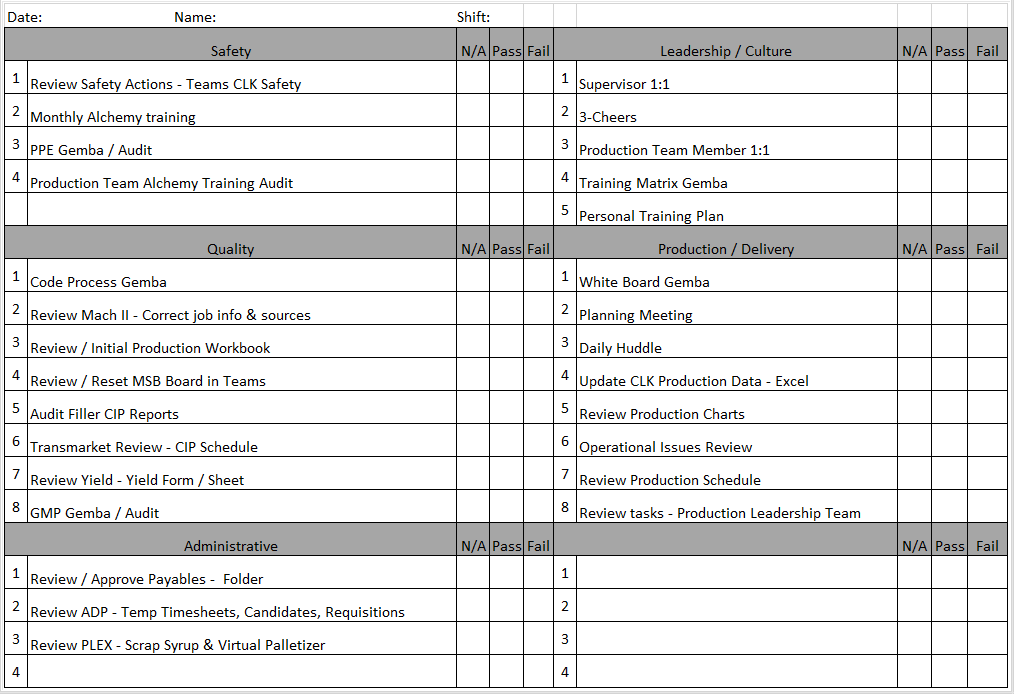
Here is the draft LSW that I am working with.

To effectively monitor and maintain LSW, management must establish visual management systems such as Andon, KPI boards and process mapping. These visual tools helps to track the performance of the processes, identify problems and quickly address them. The data from the visual management systems is used for continuous improvement and to make necessary adjustments to the LSW procedures.

Overall, LSW is a powerful tool for managing production systems and can help to improve the efficiency and quality of the production process. By standardizing the way that work is done, leaders and managers can ensure that their teams have the necessary information and resources to perform their jobs effectively and efficiently. Additionally, LSW can be used to quickly identify and address any issues that may arise in the production process, helping to prevent delays and minimize the impact of disruptions.

4 Rules of Process: Rule #2

When we create or update processes and they are not fully understood by the people doing the work, they will find ways to get the work done based on their own experiences. Evidence of this is when you try to train someone with different people and the trainer remarks “we don’t do it that way on our shift.” LOL. This is probably heard more often than not.

It must be understood by those doing the work

It was Friday night November 5th. Several planning sessions were held the few days prior showing some statistics, trends, and other data to create a plan to optimize the weekend production run for a national customer of ours. About 11:30 PM I received the phone call from a seemingly nervous Batching Technician.

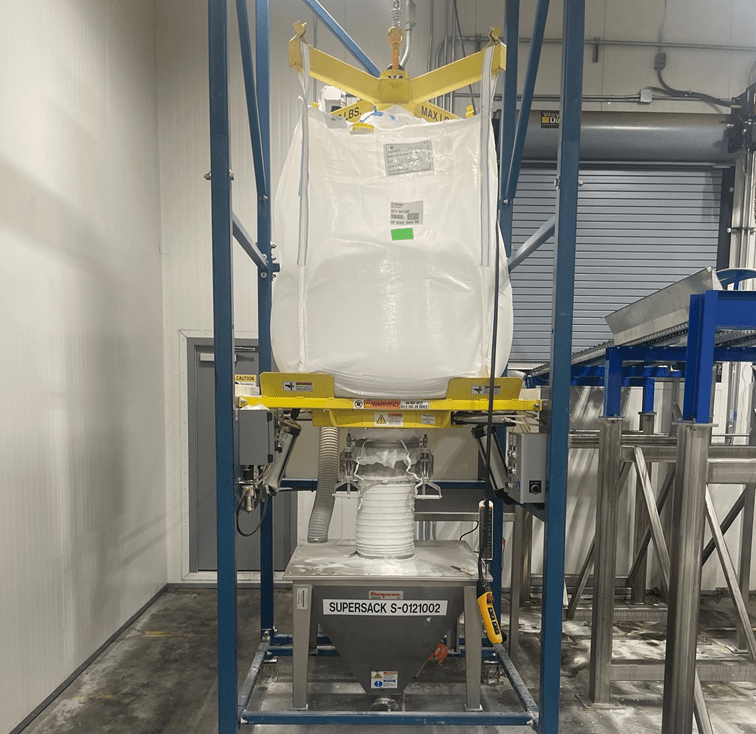
We were planning on transitioning from multiple pallets of #50 bags, very laborsome, to #2,000 super sacks where most of the labor would be done by a machine, except for one hiccup. The technician didn’t understand the process of how to use it.

But we were not ready for that yet. We had an internal agreement to delay the implementation due to some previous issues. Now, however, we were possibly being forced to move forward with the process.

The SOP Dilemma

I read through the SOP. It didn’t seem that difficult but then again, I will not be in the plant at 1:15 AM when they attempt to load the ingredient. I am not a fan when it comes to SOP’s. I align and agree that they serve a purpose in that they can document a process but too often they are miscategorized as a “training tool.” Fully support their use for ISO Standards and audits, etc. But when it comes to skill building in a competency matrix type of paradigm, their use is more for a general introduction and not in skill building.

Breaking Rule #2

If a process isn’t fully understood, it will result in individuals developing their own understanding of the process based on “educated guesses” and “trial and error.

Without a full understanding of this mixing process, we were at risk. We aren’t creating small batches or parts. We are mixing batches of liquids up to 15,000 gallons. To make a mistake would require scrapping an entire production order and facing a possible claim. This is unacceptable. But this is true of any industry or process.

When we create or update processes and they are not fully understood by the people doing the work, they will find ways to get the work done based on their own experiences. Evidence of this is when you try to train someone with different people and the trainer remarks “we don’t do it that way on our shift.” LOL. This is probably heard more often than not.

Back to our process. A mechanical delay caused just enough of a slow down that when we got to the point of needing to start this bulk mixing process, the early morning dayshift leader had already arrived. He had a lot of experience and was familiar with it. Needless to say, the batch went off without a hitch – or mistake! We focused on getting each team member familiar and fully understanding how to use the bulk mixer for supersacks.

4 Rules of Process: Rule #1

“This approach is not unilateral however. It is necessary to play catch ball with those who will be doing the work. This will ensure they buy in to the process but it is up to the leader to define the parameters to make sure no effort is wasted.”

Rule #1 – It must be defined by those planning the work

This is the foundation of good process.  In my experience with developing Standard Work and Leader Standard work, there have been variations on how to approach creating a process that is stable, repeatable, and effective to where the process produces the planned results.

One approach is very “hands off” where leaders delegate the formation and implementation to those actually doing the work.  At first this sounds like an empowering approach but in reality it almost never works for standardization.

It usually occurs in actions and activities that are not aligned with the higher level strategy; a lot of effort and actions but little value or contribution the KPI or other metrics.

A better way is to, as the leader, own the definition of the process by answering one or more of the following questions:

  1. What problem are we trying to solve?
  2. What value is it trying to add?
  3. What outcome is intended?
  4. How will completion directly impact the target?

This approach is not unilateral however.  It is necessary to play catch ball with those who will be doing the work.  This will ensure they buy in to the process but it is up to the leader to define the parameters to make sure no effort is wasted.

Breaking Rule #1

If a process is not clearly defined, it will be up to the individual worker to know how to get the job done; this means that the process will be done differently by different people

A short time ago it became necessary to be present on the production floor for the night shift.  Though a significant interruption to my normal schedule I welcomed the opportunity to observe a different shift / team perform the same activities.

It was interesting to talk to the operator through the changeovers and startups.  They were aligned with the end goal – minimizing downtime during changeovers.  The difference was how to get there.

The night shift operator did many of the same tasks , however, in a different order.  But, they also did some of the steps differently.  The data would support, less efficiently and effectively.

Fortunately the operator was open to some input and best practice sharing.  To top it off, the next hour was the second highest production rate ever recorded since our startup 1.5 years ago.

Defining the process for the operator enable them to run at a rate they had never run before.

Kudos to the team and kudos to the 1st rule of process – It must be defined by those planning the work.

Smartsheets For Lean Safety Management

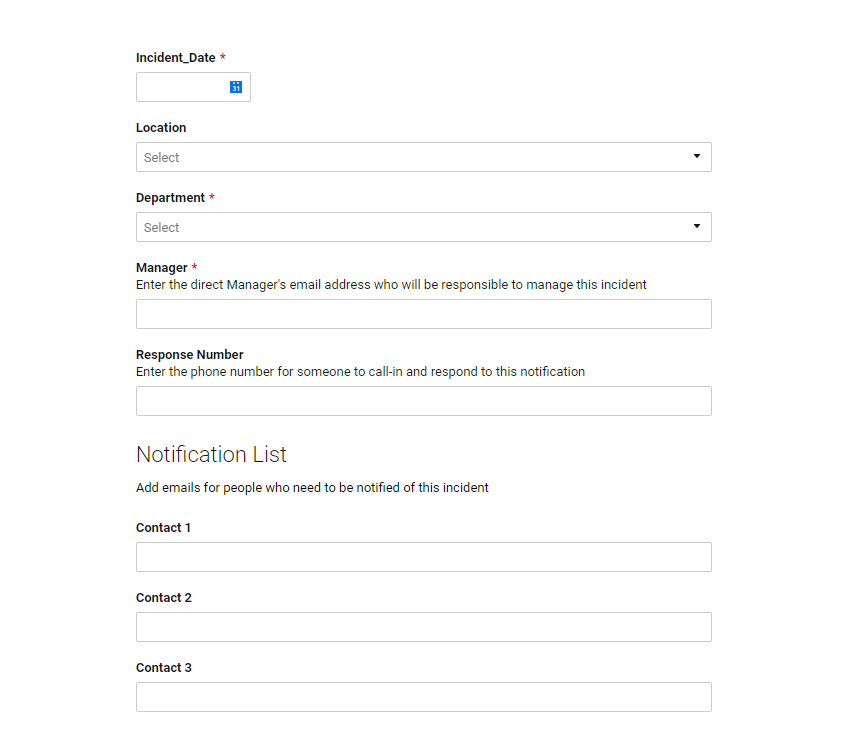
A simple form created for the incident management sheet allows inputs for notifications from a desktop, mobile phone, or tablet. No user license is necessary to be able to use the input form meaning you can deploy to anyone involved in any activity with your organization.

Why You Should Be Using Smartsheets to Manage Your Safety Process

Reason Number 1 – Real-time notifications

I have been an fan and avid user of the cloud platform Smartsheets – www.smartsheet.com for several years.  I have used it to deploy production planning, logistics planning, quality management systems, project management, and safety incident management processes. 

The last reason is what I’d like to highlight here – using smartsheet.com to eliminate waste in your safety incident management process. 

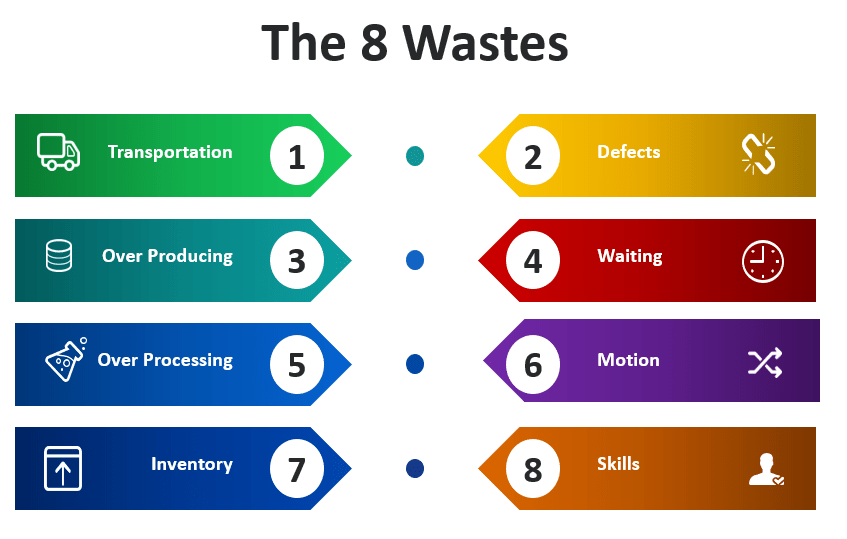
Applying an 8 Waste Analysis we can see multiple sources of waste in the process.

The number one reason I have used and recommend using smartsheets is the ability to provide real-time notification via email, text messages, or Microsoft Teams the moment an incident occurs eliminating the waste of waiting for critical information about the current state of organizational safety.

A simple form created for the incident management sheet allows inputs for notifications from a desktop, mobile phone, or tablet. No user license is necessary to be able to use the input form meaning you can deploy to anyone involved in any activity with your organization.  

Try it out for yourself here – Safety Incident Notification Form

I have created a sample Safety Incident Management Log to use as an example.

As an additional treat, I have included a QR code as another sample of what is possible to have real-time notification of a safety incident. This QR Code can be printed at various places in your plant or site for people who have access to mobile devices to provide a quick short cut for incident reporting purposes:

Enter the data for a sample incident and put your email address as the manager.  You can even include some of your peers in the Contact 1, 2, and 3, boxes by entering their email addresses to allow them to see the capabilities first hand. Note that they will also receive the notification. When you push submit you (and any additional contacts) will receive an email notification of the incident details.  Imagine the simplicity and efficiency of scaling this to your organization where incident occurrences and critical details are shared real-time. 

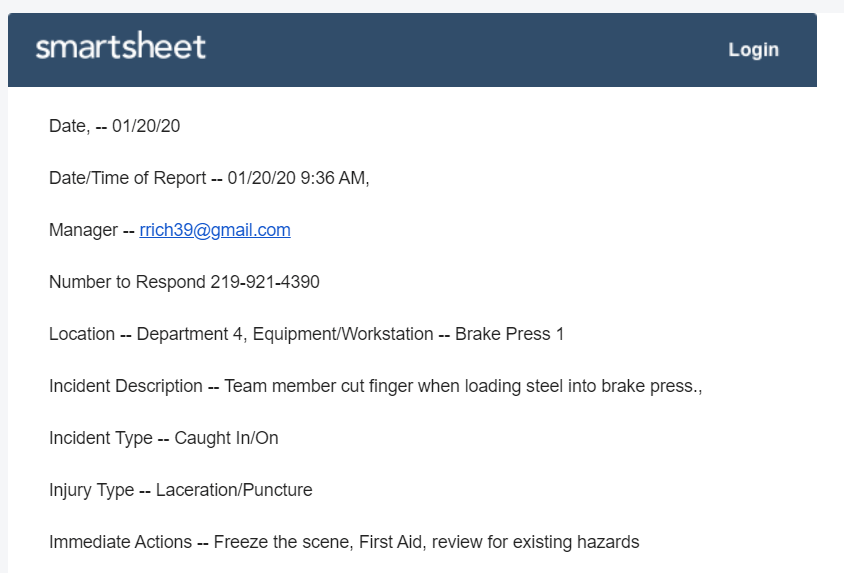
Just a moment or two after pressing submit you will receive an email with the details you entered. As an example, here is one I received for a sample incident that I entered:

Imagine being able to keep every stakeholder in the loop with necessary details of critical safety incident information.

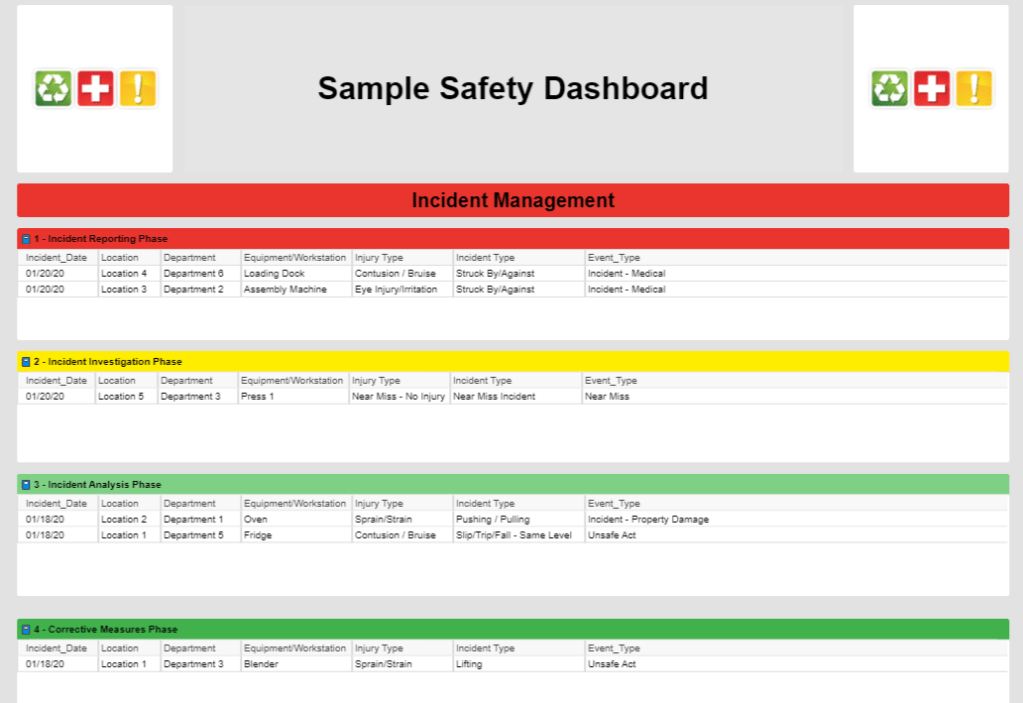
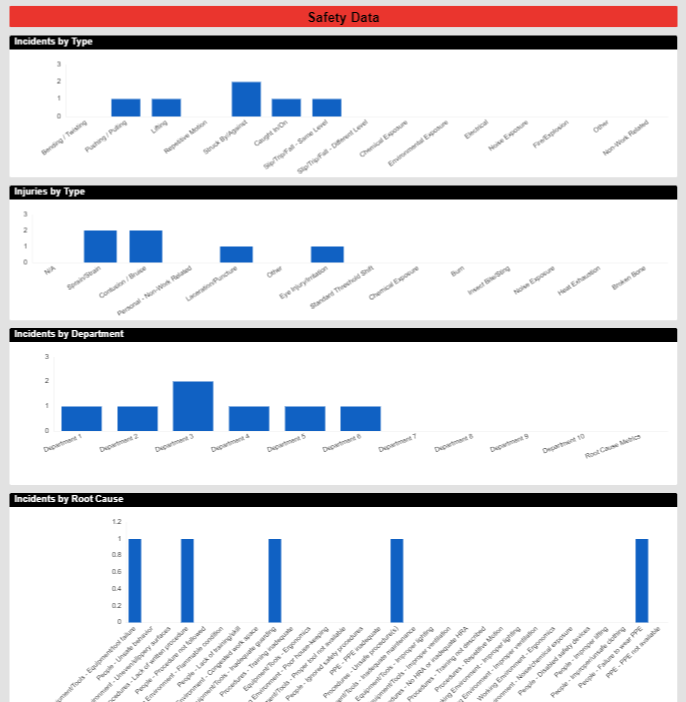
As a sneak peek into the next reason why you need to use smartsheets, you can see the result of data on a sample safety dashboard that updates real-time when a form is completed:

This dashboard allows you to see the current state of all your incidents, what phase or stage they are in, a chart of incidents by type, injury, location, root cause, etc.

I welcome your feedback and recommendations on this process.

This is only scratching the surface so if you’d like more information before the following posts are uploaded feel free to reach out and contact me directly.

Leader Standard Work – PDCA

The art of using LSW as an improvement tool is to be able to read the sheet with your “process” eyes. What this means is not to focus on reds and ask “why didn’t they get done?” What you are looking for as a lean leader are process gaps.

Updating my LSW – reviewing November for lessons learned and applying PDCA to December’s LSW plan

Download a copy of the Excel template used in this post by clicking the link below

Introduction

Leader Standard Work is a leaders visual management system much like a DMS board, Kamishibai, or other lean visual control. The intent is to regularly review (monthly in my case) for opportunities for process improvements (reds) and apply those improvements to the next cycle. Visual Leader Standard Work will reveal two types of gaps: performance and process.

Performance gaps are simple – “was the task completed?” Performance gaps require deeper learning and analysis. In this post it will be assumed that there are no performance gaps to address – only process gaps.

The Review

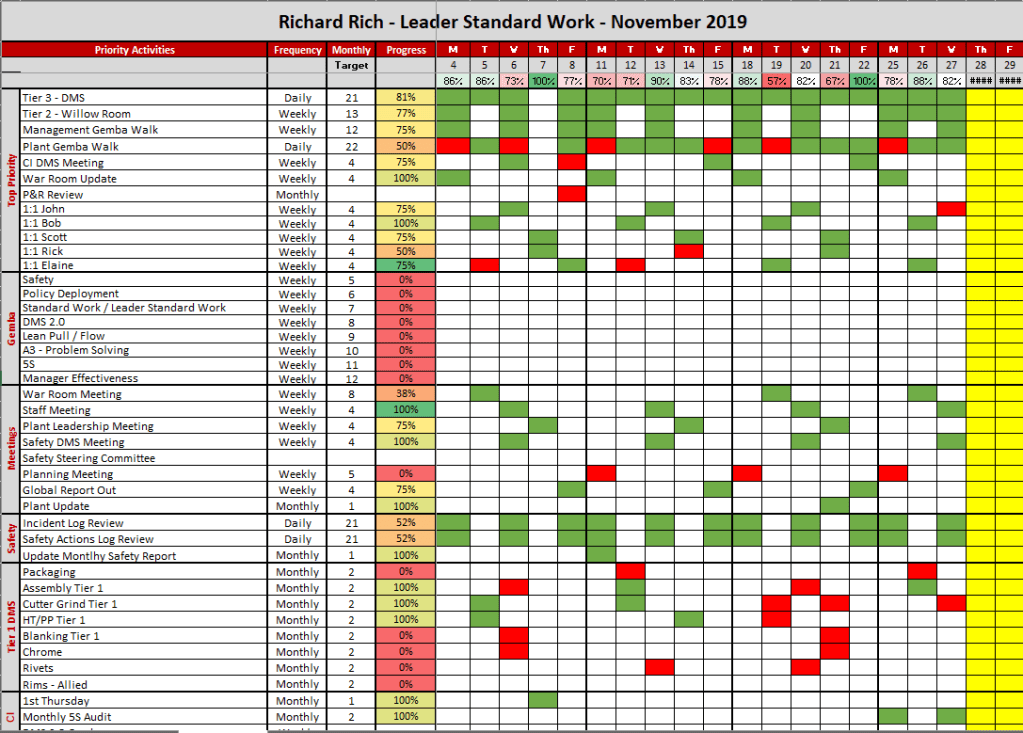
The image below is of my LSW for November.

The art of using LSW as an improvement tool is to be able to read the sheet with your “process” eyes. What this means is not to focus on reds and ask “why didn’t they get done?” What you are looking for as a lean leader are process gaps.

Each behavior or activity of a leader in a lean management system is to sustain process improvements where that same process stability will provide the foundation for further improvements. The focus is on process.

Assuming that there are no performance gaps (the activity was completed as planned) we can move to what constitutes process gaps. Reds will indicate one of two possibilities.

  1. The behavior or activity (audit, Gemba, etc.) is not able to sustain the process. You are unable to really “see” the process in order to measure the expected state verses the current state.
  2. The process is not adequate to sustain the improvement. In this case a red means that you are able to clearly see the expected state and current state but something is not working right – there is a gap, a problem, or a variation.

Lessons Learned

After review it is time to see what you can learn about the process. Analyze the patterns.

In the example above I saw groupings around a particular time of day for attending Tier 1 DMS meetings. The conflict that created the reds were clear and recorded on the paper version that I carry daily. Each one that is missed was due to overlapping requirements at other DMS meetings. It had nothing to do with performance and everything to do with the fact that one cannot be in two places at the same time.

Planned Improvements

The lessons learned from reviewing November’s LSW were used to create December’s.

  1. Space for attendance at the conflicting Tier 1 DMS meetings was created
  2. Communication for Tier 3 DMS attendance plan was provided and aligned to with my manager
  3. Activities planned for early mornings where Tier 1 DMS meetings happen are now planned for later in the day.

Summary

It’s December 1st. Tomorrow is Monday, December 2nd. Is your LSW reviewed and updated? Have you made a plan to sustain the lean improvements?

Take a few moments and reflect on what learned from last month adn make an improvement to be a better lean manager for December